Thursday, May 28, 2020

IoT Podcast Episode 270: Wink is a bad boyfriend and what about Wi-Fi HaLow?

This week’s show starts off with Wink’s new pricing plan (although it feels less like a plan and more like watching a toddler trying to chase a soccer ball.) After that, we talk about Wemo’s decision to address a known security issue by pushing users to create accounts, We also discuss the future of remote work and augmented reality as filtered through an industrial lens and as planned by Mark Zuckerberg. In other news, SoftBank is trying to sell industrial IoT software company OSISoft, while NXP has a new CEO. Professional smart home provider Savant says it will acquire GE’s Lighting biz, and we have thoughts. Plus, Kevin actually reviews a few GE smart bulbs. We close by answering a question about what to use instead of Wink.
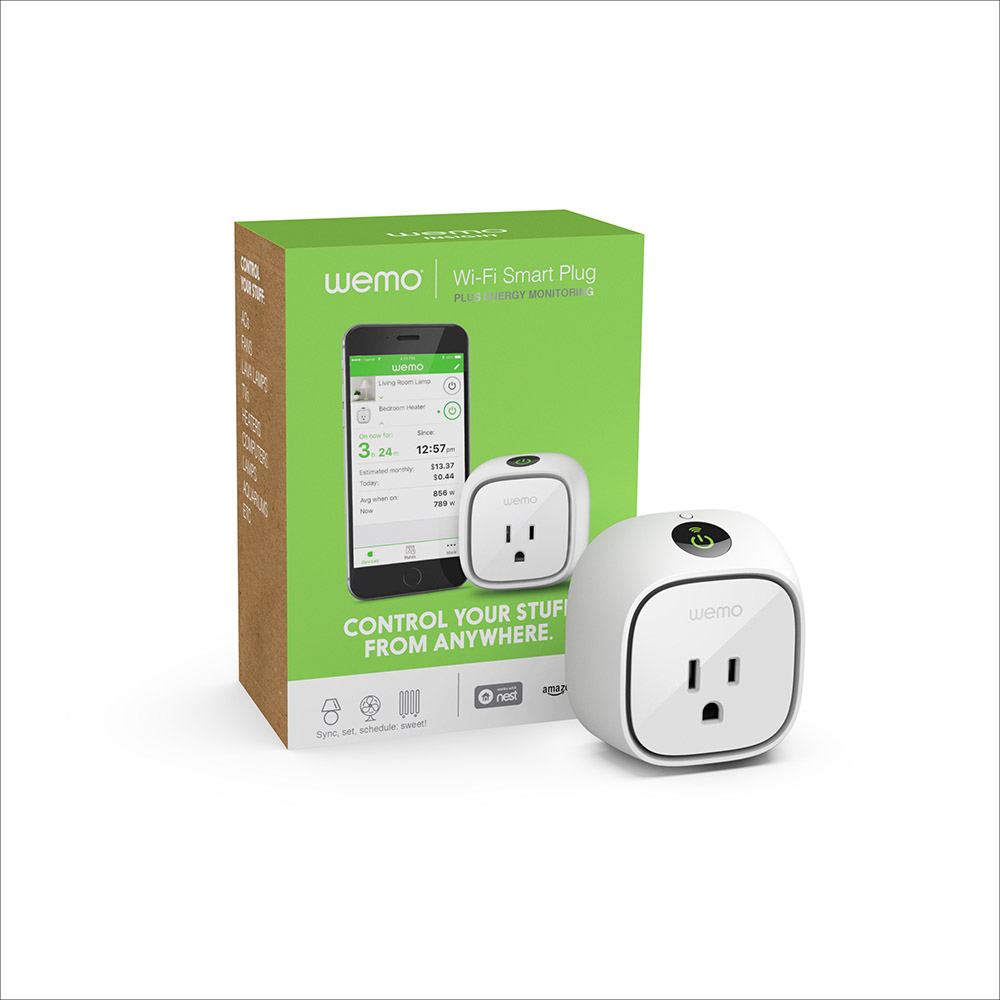
Wemo is asking users to adopt accounts to improve security.

This week’s guest is Vahid Manian, the COO of Morse Micro, a company building a radio chip for Wi-Fi HaLow. If you are unfamiliar with the standard, that’s because after the Wi-Fi Alliance launched it in 2017, no one got excited about the so-called Wi-Fi for IoT. So far, I can’t think of a single company pushing forward with Wi-Fi HaLow devices or silicon, outside of Morse Micro. But Manian explains what Wi-Fi HaLow is good for, and why we might see it used for sending video over longer distances. I don’t know if I’m sold, but he says we can expect some devices using the tech in the middle of next year, so I’m willing to wait and see. Enjoy the show.

Hosts: Stacey Higginbotham and Kevin Tofel
Guest: Vahid Manian, the COO of Morse Micro
Sponsors: Calix and Edge Impulse

  • My dysfunctional relationship with Wink
  • AR for work can be smart, but shouldn’t be surveillance
  • Why Savant is buying GE Lighting and GE is selling
  • What the heck is Wi-Fi HaLow?
  • How many versions of Wi-Fi do we need?

Thursday, May 21, 2020

IoT Podcast Episode 269: Wyze wants to bulk up and Microsoft Build news

This week’s show is all about Seattle-area companies. First up, Wyze wants to raise money, so it shared its sales from last year and plans for 30 more smart home products. Kevin and I talk about the company and its impact on the industry. Then we shift to Microsoft and its Build event, which took place this week. We discuss the IoT news including Azure RTOS, an update to Azure IoT Central (the SaaS IoT platform for Azure), and more.  We also took a side trip to explore a new consortium dedicated to digital twins. We then discuss what $4.99 a month buys you from Wink, a new wearable for contact tracing from Nodle and Avnet, the new Logitech Circle View camera, and Google Assistant getting new skills for appliances. We conclude by answering an email from Australia about door locks for rentals.

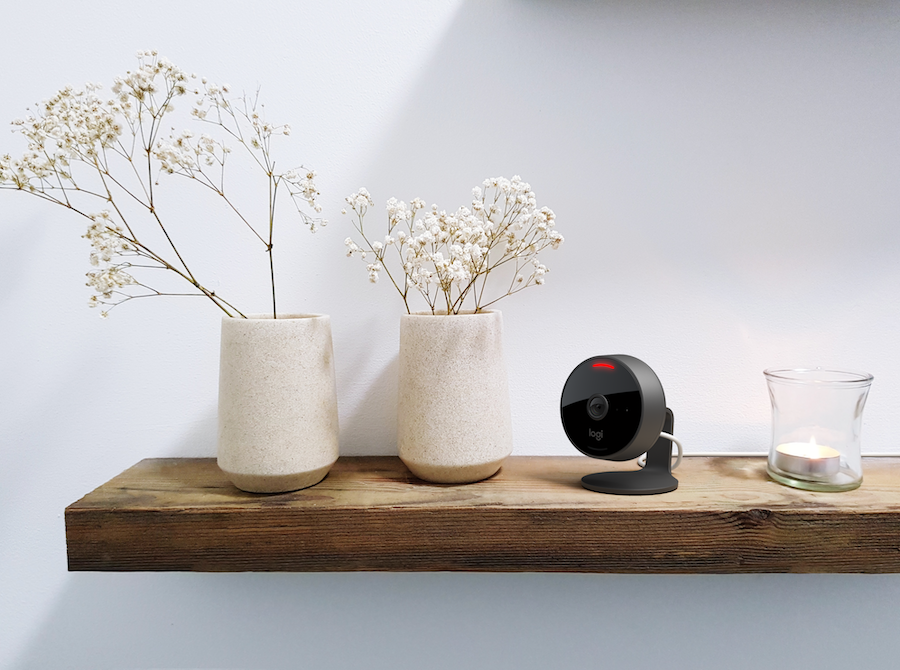
The new Logitech Circle View camera works with Apple’s HomeKit Secure Video service and sells for $159. Image courtesy of Logitech.

This week’s guest is Dr. Ben Calhoun, co-founder, and co-CTO at Everactive. I profiled the company a few years back when it had a different name but the same mission — building battery-free sensors that are powered via energy harvesting. The company has sold its steam trap sensor since 2018 and is now launching a vibration sensor. We talk about how to build a sensor that can harvest enough energy to monitor factory conditions, how COVID-19 is changing the demand for industrial IoT, and what changes once plant managers get a continuous stream of data about their operations. It’s a fun show, and you’ll learn all about steam traps!

Hosts: Stacey Higginbotham and Kevin Tofel
Guest: Dr. Ben Calhoun, co-founder, and co-CTO at Everactive
Sponsors: Very and Edge Impulse

  • Wyze sold $95 million in gear last year
  • Microsoft’s really building out an end-to-end IoT infrastructure
  • Wink is charging me $5 a month so my voice assistants integrate better
  • Why we need energy harvesting sensors
  • How to sell a big name on a startup’s tech


Thursday, May 14, 2020

IoT Podcast Episode 268: Subscription news from Wink and Nest

This week’s show is all about subscriptions! First Kevin and I share thoughts on Wink’s decision to charge a subscription fee after giving customers a week’s notice and threatening to shut down their devices if they don’t convert. We also detail Nest’s new subscription plan and keep on the Alphabet/Google topic by discussing the end of the Toronto smart city effort from Sidewalk Labs and a new Google Assistant skill.  After that, we cover a new Teensy board with Ethernet, an acquisition in the smart apartment world, and get details on how reopening is going in Texas from the B8ta point of view. I talk about my experience with the new, smaller Wi-Fi August lock, and then we answer a listener question about how to build a smart home from scratch.

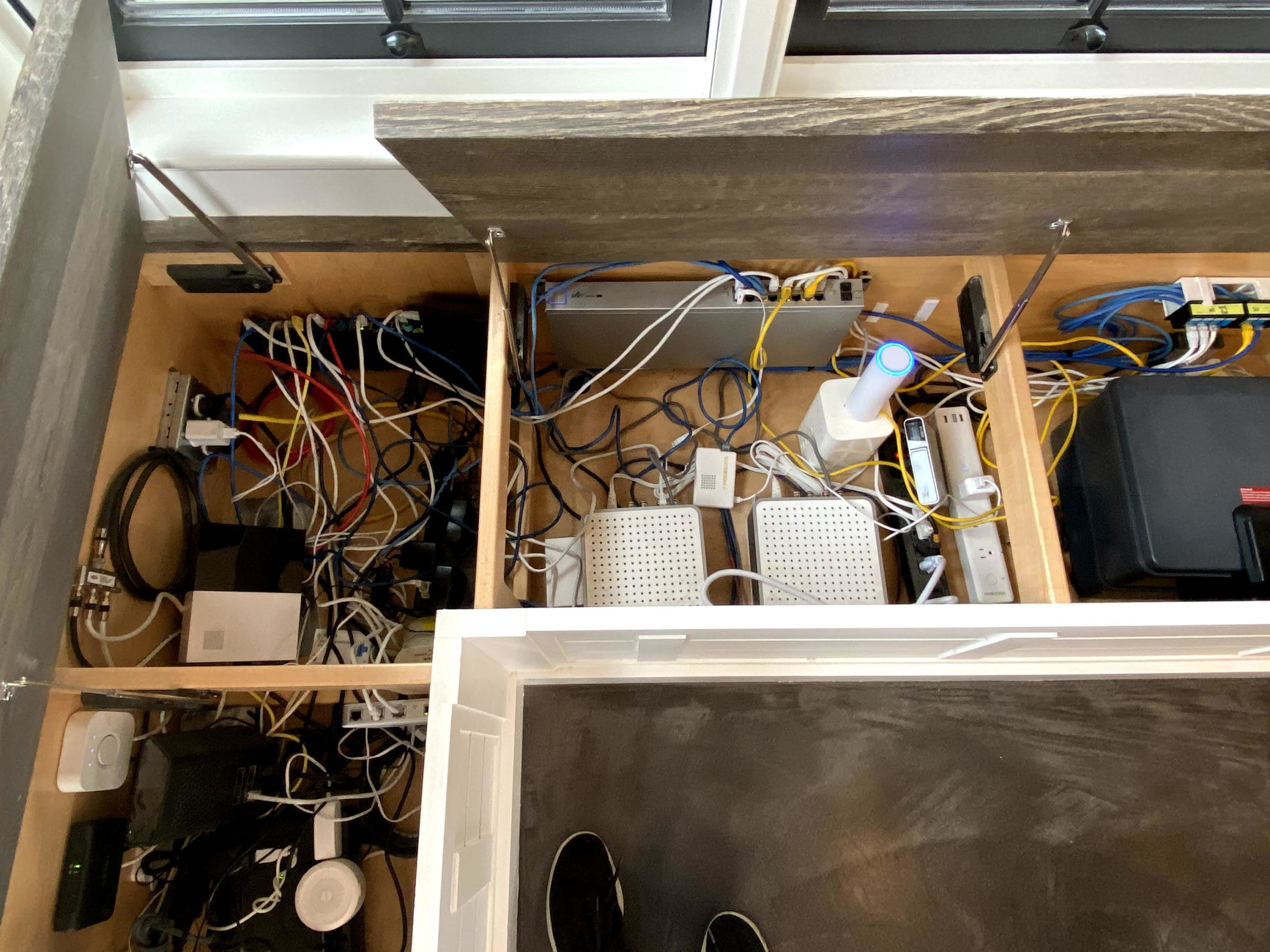
The brains of Johnson’s smart home are packed away in custom-made benches. Image courtesy of Jason Johnson.

Our guest this week is Jason Johnson, the co-founder of August Home. He’s not on the show to discuss the new lock but to talk about his new home and the systems he uses for automation. Like many of us, Johnson went the DIY route and says he spends about five or more hours a week tweaking his set up. He explains why he chose the platforms he uses and how he has routines and automation set up. For those curious about what’s governing the 138 nodes in his home, I encourage you to listen and find out.

Hosts: Stacey Higginbotham and Kevin Tofel
Guest: Jason Johnson, co-founder August Home
Sponsors: Very and Edge Impulse

  • Is Wink’s new subscription worth it? Nest’s?
  • Apparently, a few people still need their gadget fix in Texas
  • August’s new lock is great for renters, but may not work for everyone
  • Three organizing principles for a smart home
  • Device longevity is a problem for the smart home

Thursday, May 7, 2020

IoT Podcast Episode 267: How to build your own IoT device

This week on the show, Kevin and I start with a potential privacy bill in the Senate related to COVID-19 track and trace and then discuss the challenges legislation and Bluetooth track-trace efforts will face. We then talk about a possible acquisition by Microsoft of an industrial IoT security company. Kevin shared his hope for a smart home with common sense based on advances in AI research before we dig into new IoT malware called Kaiji. In news, Nordic Semiconductor is touting new smart gear for hospitals, Nest is requiring all users to use multi-factor authentication, Ring has a new $99 doorbell, and Automatic joins other companies in shutting down because of the pandemic. This week on the IoT Podcast hotline, we answer a question about Z-Wave repeaters and buggy mesh networks.

Image of the MailPig mailbox sensor courtesy of Christine Sunu.

Our guest this week is Christine Sunu, who got a lot of attention a week or two ago with the creation of a sourdough fitness tracker called Sourd.io. She joined us to walk us through the creation of a sensor to detect if your mail has arrived (specifically if your mailbox has been opened). As an IoT developer community engagement manager with Twilio, and a former developer engagement manager with Particle, Sunu has been making connected devices for years, so she helps with the terms you might want to Google and how to get over common barriers standing in the way of a final project. It was so much fun to talk to her, and she has written a blog post to go with the interview in case you need more than the auditory guidance.

Hosts: Stacey Higginbotham and Kevin Tofel
Guest: Christine Sunu
Sponsors: Very and Liveworx

  • The latest on COVID-19 track and trace news
  • Is Microsoft getting more serious about industrial IoT?
  • Ring’s got a new doorbell
  • How to build a connected mailbox sensor
  • Two common barriers to finishing your projects


Thursday, April 30, 2020

IoT Podcast Episode 266: Startups get ARM IP for free

ARM is expanding access to its chip designs to startups that have raised less than $5 million through its Flexible Access program. Kevin and I explain why this is a big deal and then go on to discuss a new gesture-based interface that could be either a gimmick or a gamechanger. From there we talk about the pandemic delaying Ford’s self-driving car plans, the closure of PetNet, and the acquisition of a smart ring by a digital key card company. Plus, we cover a robot for kids, AR contact lenses, a Google AI muddle, Google Assistant getting router controls, and a new satellite network for the IoT. We also review the Google Pixel Buds 2 and Kevin talks about his experience with the Blink Mini camera. We end by answering a question about choosing smart home devices based on your digital assistant.

The Moxie robot from Embodied will start shipping in October. Image courtesy of Embodied.

Our guest this week is Alex Capecelatro, CEO of Josh.ai, which makes a voice platform for the pro installer market. The company has just raised $11 million in funding, and Capecelatro tells us what he plans to do with that money as well as explains why Josh.ai shifted from making software to building hardware. He also offers perspective on the development of the voice market in the smart home. Josh.ai started in 2015, a few months after Amazon released the Echo speakers, and before Amazon had enabled the smart home features on the Alexa platform. The interview offers a history of voice, IoT hardware, and a hint of the future. Enjoy.

Hosts: Stacey Higginbotham and Kevin Tofel
Guest: Alex Capecelatro, CEO of Josh.ai
Sponsor: Very

  • Why silicon startups are on the rise
  • Companies blaming the pandemic
  • Should you buy the new Blink Mini camera?
  • Why Josh.ai pivoted from software to hardware
  • Can a dedicated voice platform for the smart home beat a digital assistant?

Thursday, April 23, 2020

IoT Podcast Episode 265: How to make the electric grid more like the internet

This week Kevin and I dig into two sets of best practices for privacy and data collection relating to track-and-trace programs enacted on our devices. One is from Microsoft, and the other is from MIT. We also talk about Ring asking users if they want the ability to read license plates in their security cameras and offer some insights about the recently launched update to the Ring Alarm system. From there we discuss vulnerable smart hubs, vulnerable servers, and a power-efficient NB-IoT modem. Next up is a bit of news about Folding@Home using a Raspberry Pi, smart swim googles, using computer vision to save coral reefs, and a bit about blood pressure monitors. We end by answering a listener question about available Wi-Fi 6 routers.

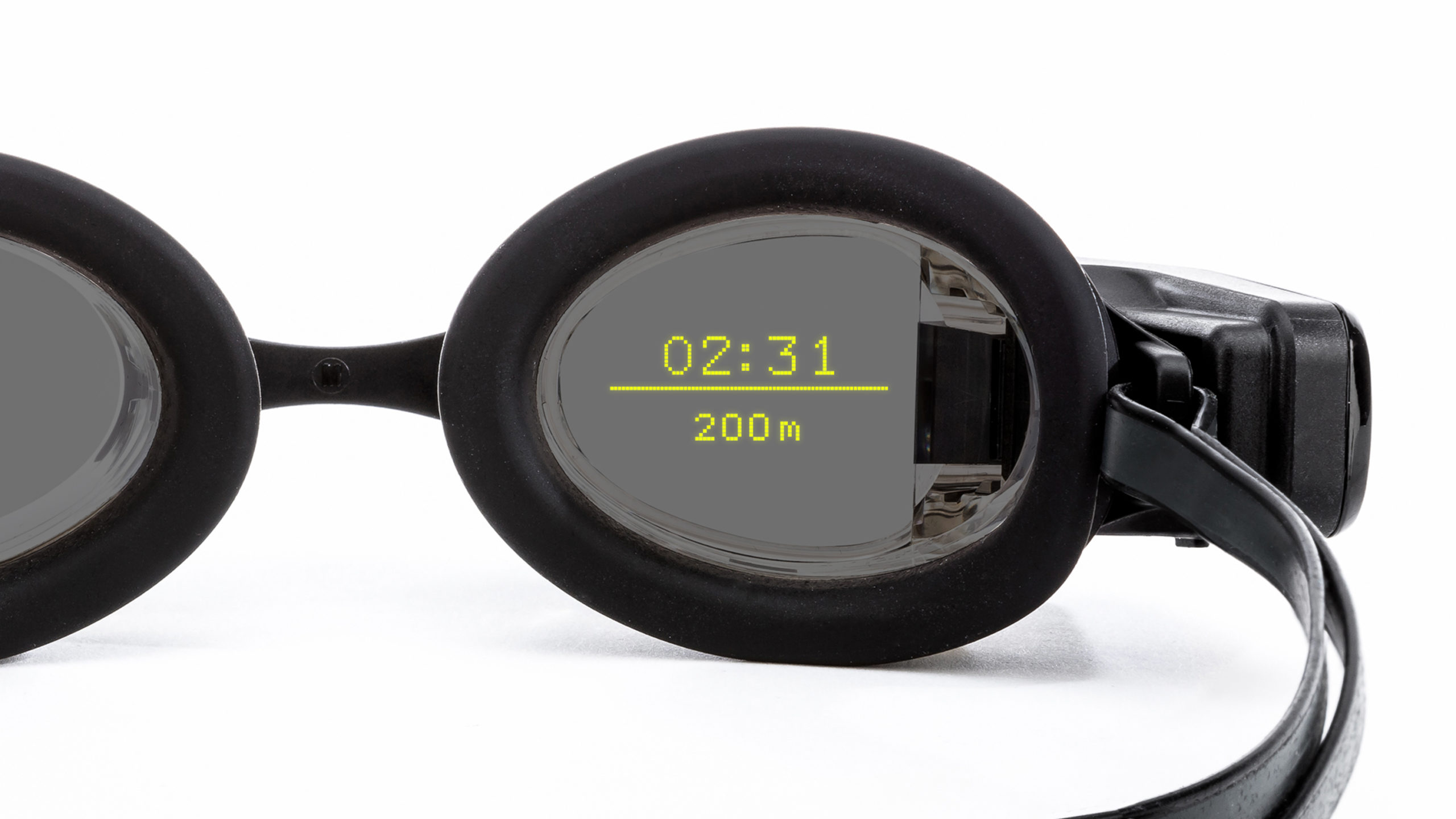
The $199 swim goggles from Form include a heads up display, heart rate tracking, and more. Image courtesy of Form.

This week’s guest is Karen Herter, Level III energy specialist at the California Energy Commission, who explains how we’re going to get to a dynamic energy grid that helps consumers and businesses react in real time to the price of energy. We have plenty of energy-saving devices and even the ability to turn off or lower the energy demands in our home, using smart tech, but there’s not much of an incentive. If states and utilities work to make real-time pricing changes available to the home (likely a governing device) then the home can react by reducing electrical demand. She talks about the tech and regulations that will make this possible and informs me that FM broadcasts might be the best way to disseminate the pricing information cheaply. It’s a good interview.

Hosts: Stacey Higginbotham and Kevin Tofel
Guest: Karen Herter, Level III energy specialist at the California Energy Commission
Sponsors: Calix and Ayla Networks

  • How to think about data privacy during a pandemic
  • Ring’s interest in surveillance style tech continues
  • Smart googles and microamp modems are pretty cool
  • Why California wants an energy grid that looks like the internet
  • Maybe FM radio has a role to play in the IoT

Thursday, April 16, 2020

IoT Podcast Episode 264: Wyze gear and everything’s coming up COVID

This week’s Internet of Things Podcast kicks off with a discussion of all the ways that IoT companies are evolving their products and pitches for the pandemic. We cover handwashing sensors, door sensors, and Raspberry Pis before moving onto discuss the Apple and Google contact tracing efforts. Then it’s on to product news from Ecobee (the new security camera, sensors, and service); Apple (a new iPhone), the Wyze outdoor camera, and bandwidth reductions for your Nest cameras. After the product news, we cover Google’s explanation of when and how to use its TensorFlow Lite machine learning framework. I then talk about my initial thoughts on the Wyze Scale and Wyze Band (I’ll do a full review in the newsletter on Friday). We end by answering a question about setting up your own LoRaWAN network.

Ecobee launched a few new products and a new security service. Image courtesy of Ecobee.

My guest this week is Dave Crosby, co-founder and head of marketing at Wyze Labs. We kick off with an explanation of why Wyze has released a scale and the fitness band, which is a bit of a pivot for the smart home device maker. Crosby teases the timing for the outdoor camera and we talk about how low-cost devices could open up a lot of creativity for users. We then discuss how the coronavirus is affecting the business before ending the conversation with the Connected Home over IP standard. Enjoy the show.

Hosts: Stacey Higginbotham and Kevin Tofel
Guests: Dave Crosby, co-founder and head of marketing at Wyze Labs
Sponsors: Calix and Ayla Networks

  • Everything in the IoT has been touched by the coronavirus
  • The pros and cons of Google and Apple’s contact tracing plans
  • Wyze scale is cool, but the band needs work
  • Low-cost devices could open up the DIY smart home of my dreams
  • Surgical masks? Thermometers? How Wyze is trying to help with the pandemic


IoT Podcast Episode 437: Goodbye and good luck

This is the final episode of The Internet of Things Podcast, and to send us off after eight years, we don’t discuss the big news of the day ...