Thursday, July 28, 2022

IoT Podcast Episode 382: Is Helium full of hot air?

We start this week’s show with a deep dive into a popular post from this week about the Helium network. The report pointed out that Helium only made $6,500 in the month of June from data rates. We explain why that’s not a surprise and what it will take to get those numbers up. Then we talk about Apple’s Air Tags and their potential use to track thieves and suitcases. Then Kevin reviews the Eve Motion with Thread sensor and then we focus on the excellent article from CNET that documents when Ring, Nest, Arlo and other camera companies will share your video data with police. The we cover shorter stories from Drover AI, two satellite deals including a $3.4 billion European acquisition deal, and updated lighting features from GE Cync. We then answer a listener question about Insteon’s plan for an annual fee for cloud connectivity and services.
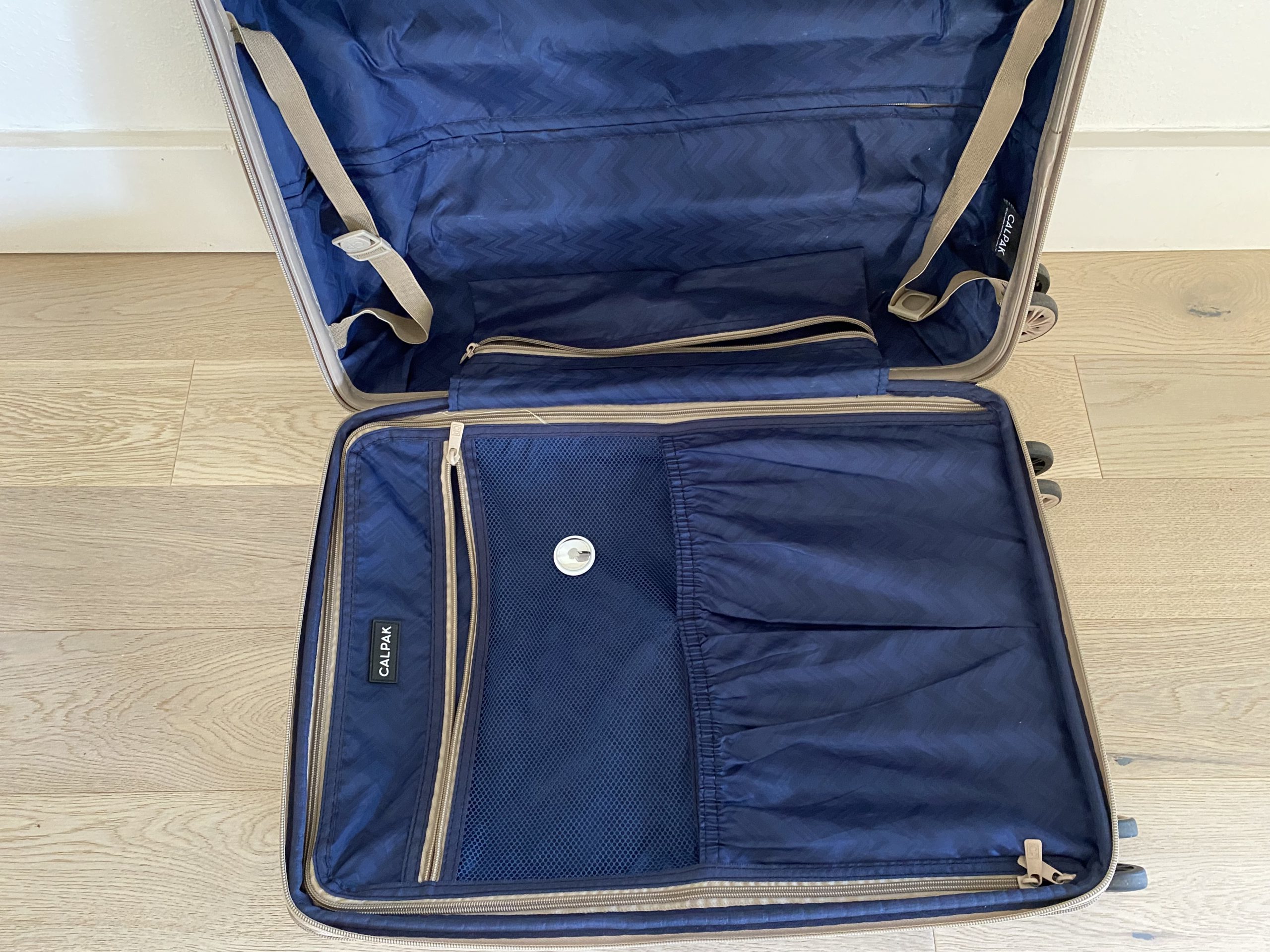
My suitcase and obligatory Air Tag. Image courtesy of A. Allemann.

Our guest this week is Jim Ethington, CEO of Arable, a precision agriculture company. He’s on the show to talk about Arable’s $40 million in funding, and what Arable has learned in the last six years of operation. We also talk about the myth of using data to create “perfect predictions” and what sorts of predictions are more realistic when discussing how farm sensors can help farmers increase yields. Then we discuss why farmers are looking beyond simple ROI measurements when adopting technology and how sensor platforms such as Arable’s can help make their investments in sustainability or traceability pay off. We end with a list of hardware that Ethington would like to see for future field sensors. These include better connectivity options and sensors that provide more options for detecting different wavelengths of light. Enjoy the show.

Hosts: Stacey Higginbotham and Kevin Tofel
Guest: Jim Ethington, CEO of Arable
Sponsors: InfluxData and Intent

  • Helium is a legit business, but is it worth $1.2 billion?
  • The Air Tag is a tool for good or evil
  • How Ring and Google decide what videos to share with police
  • The future of precision farming goes far beyond greater yields
  • Sensors with different spectral ranges will let us better monitor plant health

The post Episode 382: Is Helium full of hot air? appeared first on IoT Podcast - Internet of Things.

Thursday, July 21, 2022

IoT Podcast Episode 381: Alexa and Qualcomm embrace ambient tech

This week’s show kicks off with our discussion of several announcements from Amazon’s Alexa Live developers’ conference held Wednesday. Alexa is getting several features as part of the launch of the Matter smart home interoperability protocol that should launch in the fall. For example, users will be able to name a device once and put it in a group and that nomenclature will work across Alexa, manufacturer apps, and other controllers such as Google Home or Apple’s Siri. Amazon also shared new ways for developers to access context in the home thanks to its new Ambient Home Dev Kit and new ways for developers to build Routines for Alexa. Also ahead of Matter, Thread is getting an update, so Kevin and I explain what that entails before turning to Qualcomm’s new wearables chip.

The Google Glass AR prototype. Image courtesy of Google.

One of the keywords for Qualcomm’s new wearable platform is ambient, as the chipmaker has moved several features to a low-power always-on processor to ensure that smart watches built using the platform have always-on sensing, wake-word detection, and a nice display without compromising on battery life. Then we talk about FCC Chairwoman Jessica Rosenworcel’s inquiry into data-gathering and sharing practices by cell phone providers, especially when it comes to location data. We also discuss Google’s new plans for AR glasses, using the IoT to detect forest fires, and yet another security flaw. This time it’s in a GPS tracker from a Chinese provider. We also say goodbye to Microsoft’s Sam George who retired from his role leading Microsoft Azure IoT. We end by answering a listener question about tracking the temperature of a fish pond.

Hosts: Stacey Higginbotham and Kevin Tofel
Sponsors: InfluxData and Intent

  • With new features Alexa is a smarter brain for the smart home
  • Thread’s getting an update ahead of Matter
  • Qualcomm’s wearable chip is better late than never
  • The FCC wants to know what carriers want with your location
  • Google’s new glasses respect the camera shy

The post Episode 381: Alexa and Qualcomm embrace ambient tech appeared first on IoT Podcast - Internet of Things.

Thursday, July 14, 2022

IoT Podcast Episode 380: Here’s what we think with Wink on the blink

This week’s show comes to y’all from Paris and the English seaside, with Kevin and I wondering exactly what happened to Wink. We also offer options for the few remaining holdouts on the platform. We then discuss Hive’s decision to pull back on smart home devices and its new smart thermostat (Hive plans to continue making smart energy devices). Then we focus on surveillance news starting with San Francisco’s Rule’s Committee broadening support for law enforcement agencies to access Ring camera data. Then we share how often police got access to Ring device footage without the owner’s permission. The Federal Trade Commission has a warning for companies that say they anonymize their data when in fact, they do not, and Home Assistant now has a program for formal integrations. We also share our perspectives on BMW charging a monthly fee for access to heated seats. We end by answering a listener question about network extenders.

What the heck is up with Wink? We still don’t know.

Our guest this week is Pilgrim Beart, CEO of DevicePilot, which works with companies to provide service assurance for connected devices. We discuss what the heck service assurance actually is, as well as the challenges of the smart home. Beart was the former CEO of AlertMe, which provided the back end for Lowes’ Iris and the Hive smart home systems. He talks about how his companies both shifted from a focus on smart home devices to smart energy. Then we talk about why the energy market is so ripe for disruption from players willing to take advantage of embedded intelligence. We end with a discussion about the role of regulators in the connected energy markets and how they should approach the job. Enjoy the show.

Hosts: Stacey Higginbotham and Kevin Tofel
Guest: Pilgrim Beart, CEO of DevicePilot
Sponsors: InfluxData and Intent

  • It’s time to dump Wink and here’s what to choose instead
  • Police have gotten data from Ring 11 time in the last year without owner permission
  • The FTC thinks your data anonymization claims are sus
  • Why the smart home was destined to fail
  • We need to think about resiliency when bringing smarts to the grid

The post Episode 380: Here’s what we think with Wink on the blink appeared first on IoT Podcast - Internet of Things.
Thursday, July 7, 2022

IoT Podcast Episode 379: Lock down your smart home’s data

This week we continue discussing privacy and data protection with a focus on the smart home. I’d like to see a feature that lets us turn on privacy as needed on our devices, but Kevin doesn’t think that’s likely. For those who want concrete steps they can take today, Mozilla and the EFF have some suggestions that will appeal to the DIY types. And smart home device makers should be aware that if they focused on privacy, the might sell more gear according to a recent survey. For those worried about security (less about privacy), we discuss network segmentation options. In smaller news on this slow news week, Unabiz will retain the Sigfox brand, the FCC approves roaming satellite broadband via Starlink, and Samsung SmartThings is readying an app update with more features. I also share the devices I connect before I head out of town. In our IoT Podcast Hotline we answer a listener question about the best platforms on which to practice IoT development.

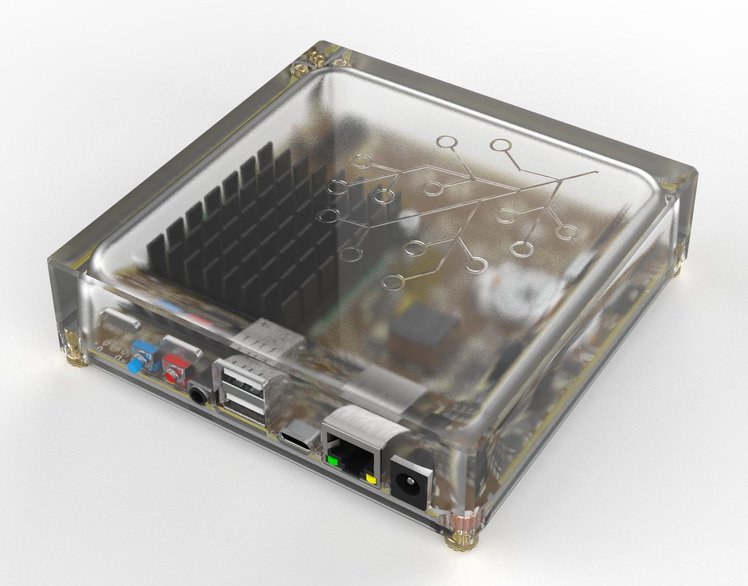
Home Assistant hub for smart home privacy
Home Assistant’s Amber hub can help you keep your smart home automations locale and more private. Image courtesy of Home Assistant.

Our guest this week is Vijay Sankaran, the CTO of Johnson Controls. He talks about the reasons we’re adding more sensors to our buildings, and ensuring they work with other with IT systems. He also explains what needs to happen at the edge and what should take place in the cloud, while also laying out the standards we need to make digital twins of smart buildings. On the practical front, he says that customers usually start with modernizing buildings that are more than 10 years old or those that are currently under construction. And the best way to get started is for customers to start tracking carbon consumption by trying to understand how much energy is being used in a building and then understanding what deices are using it. Only after customers understand that, can they work on optimizing their energy usage to reduce consumptions or at least allocate carbon consumption to places or products that generate the most value.

Hosts: Stacey Higginbotham and Kevin Tofel
Guest: Vijay Sankaran, the CTO of Johnson Controls
Sponsors: InfluxData and Intent

  • The privacy-focused smart home is DIY but doable.
  • What would you buy if privacy concerns didn’t hold you back?
  • Here are the devices I use when on vacation.
  • When it comes to smart buildings, which should get modernized first?
  • Standards matter for digital twins of smart buildings.

The post Episode 379: Lock down your smart home’s data appeared first on IoT Podcast - Internet of Things.
Thursday, June 30, 2022

IoT Podcast Podcast 378: Welcome to the industrial metaverse

It’s been a minute since we’ve discussed the metaverse, but this week we cover Siemens’ deal with Nvidia to create the metaverse for the industrial IoT. It’s part of several announcements this week from Siemens that include an acquisition and a new product launch for smart buildings. We also dig into some Apple rumors about a new HomePod, whether or not you’ll want to use the iPad as a home hub, and Kevin’s advice for folks trying to adopt HomeKit. Then we ask if you want to pay for a subscription to Insteon’s cloud and explore how the ADT partnership with Google is working. From there we talk talk about the new Raspberry Pi Pico devices with Wi-Fi. For $6, they are a steal. In smaller news, we talk about wireless power research and new sounds that help your Nest doorbell celebrate the Fourth of July. We also answer a listener question about automating his water heater.

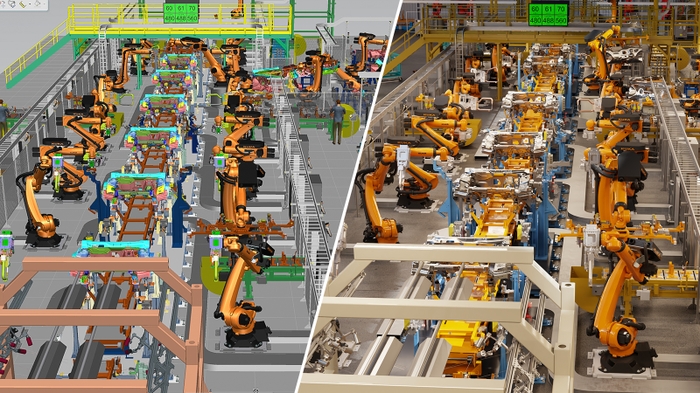
Siemens Process Simulate (left) connects to NVIDIA Omniverse (right) to enable a full-design-fidelity, photorealistic, real-time digital twin.

Our guest this week is Alok Bhanot, the CTO of ParkourSC, a company trying to create digital twins for the supply chain. We discuss the current state of the supply chain and why we’re moving into what Bhanot calls supply chain 2.0. He explains how companies are going beyond merely tracking their products and instead are trying to predict problem areas in advance and automate their response to those problems. This takes sensors and connected devices, but it also takes deep integration across the entire logistics, transportation and product ecosystem. We also explain how these solutions can’t predict everything, but for many companies, the goal is to optimize for easing the delivery of the most important things. We also discuss why ParkourSC decided to stop making its own hardware.

Hosts: Stacey Higginbotham and Kevin Tofel
Guest: Alok Bhanot, CTO of ParkourSC
Sponsors: Nordic Semiconductor and Wirepas

  • Will the industrial IoT use the metaverse?
  • Do you want a new HomePod or an iPad for HomeKit?
  • There’s a new Raspberry Pi for the IoT.
  • What the heck is supply chain 2.0?
  • Why this startup decided to stop building sensors.

The post Podcast 378: Welcome to the industrial metaverse appeared first on IoT Podcast - Internet of Things.
Thursday, June 23, 2022

IoT Podcast Episode 377: Why there were 56 OT vulnerabilities this week

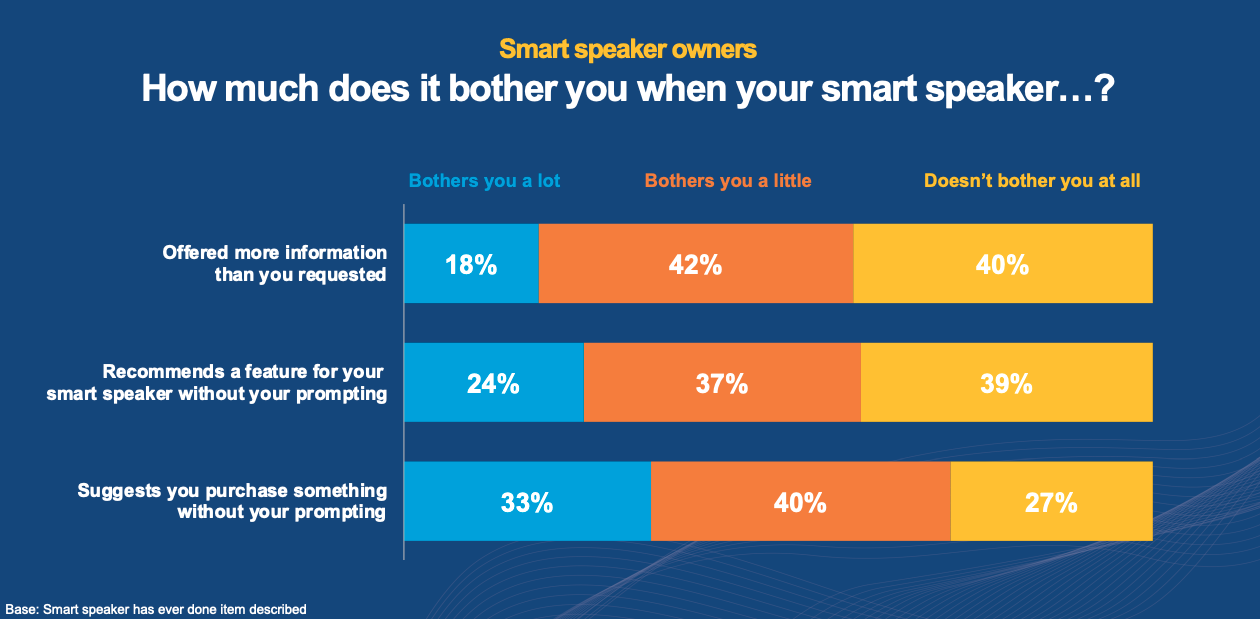
This week we cover the Ericsson mobility report that offers some stats on cellular IoT connections, including the surprising nugget that we won’t see 4G/5G connections surpass 2G/3G connections until some time next year. Then we hit another report. This one is from NPR and covers the state of audio and smart speakers. It proves that growth is slowing for smart speakers and that we may not do as many things with voice as we think. In dystopian news we cover China using COVID tracking apps to lock down protesters, and Microsoft stopping sales of some facial recognition tools. In new product news we talk about the latest Philips Hue gear, a new material that could generate electricity for wearables, and new MCUs from NXP. We also address the closure of SmartDry and explain how Google’s update on the Nest Max Hub may break your Nest x Yale lock. We end by answering a listener question about more accurate motion sensors.

Our guest this week is Daniel dos Santos, head of security research at Vedere, a business unit of Forescout. He’s on the show to discuss why Forescout released 56 new OT vulnerabilities dubbed ICEFALL. He shares the design flaws that led to these vulnerabilities and more importantly, explains what needs to happen if compromised controllers or devices can’t be fixed. He also shares a startling stat about how many industrial customers are actually updating their devices after a vulnerability has been disclosed, and how to encourage more of them to address security flaws. If you want to learn more abut securing critical infrastructure, this is a good place to start.

Hosts: Stacey Higginbotham and Kevin Tofel
Guest: Daniel dos Santos, head of security research at Forescout
Sponsors: Nordic Semiconductor and Wirepas

  • There are still more 2G and 3G IoT connections than 4G/5G ones
  • With smart speakers it’s the same as it ever was
  • Are the new Hue track lights for you?
  • The ICEFALL vulnerabilities are a sign of progress actually.
  • This vendor says only one in ten patch their OT gear

The post Episode 377: Why there were 56 OT vulnerabilities this week appeared first on IoT Podcast - Internet of Things.

Thursday, June 16, 2022

IoT Podcast Episode 376: Senator calls out video doorbells … again

This week’s show kicks off with another look at Ring’s potential to become a surveillance tool, this time prompted by a letter from Senator Ed Markey who wants Amazon to answer some questions. We then talk about a new capability for InfluxData’s time series database and explain why it matters before encouraging everyone who listens to the show or visits the site to get comfortable with doing things yourself. We then give a brief update on Insteon’s buyer and what it might mean before covering two industrial stories. First up is Siemens’ acquisition of Senseye, a company that provides predictive maintenance software, and then we discuss a remote factory experiment between Finland and South Korea. In smaller news we discuss the number of smart locks in U.S. households, Orro signing a deal with RTI for smarter light switches, and a new HomeKit enabled smart plug from TP-Link. We close by answering a listener question about the best smart lighting options to use in a new home.

Image courtesy of Parks Associates.

Our guest this week is Evan Kaplan, CEO of InfluxData, who is talking about the demand for time series data for the internet of things. InfluxData makes a time series database for storing trading and sensor data. We discuss how companies are using time series data as part of closed loop systems, and what the future tech stack for the IoT will be. He also shares his strategies to get developers interested in a platform and why he thinks appealing to developers will be essential for success in the industrial IoT. It’s a fun show.

Hosts: Stacey Higginbotham and Kevin Tofel
Guests: Evan Kaplan, CEO of InfluxData
Sponsors: Nordic Semiconductor and Wirepas

  • Senator Markey wants more information about Ring’s capabilities
  • Be bold, and try to DIY your next project
  • Remote factory project has incredibly low latency
  • Why the IoT loves time series data
  • What we need to build better architectures for a real-time IoT

The post Episode 376: Senator calls out video doorbells … again appeared first on IoT Podcast - Internet of Things.
IoT Podcast Episode 437: Goodbye and good luck

This is the final episode of The Internet of Things Podcast, and to send us off after eight years, we don’t discuss the big news of the day ...