Thursday, August 25, 2022

IoT Podcast Episode 386: We question Nova Labs’ 5G deal

Nova Labs, the company behind the decentralized Helium IoT network, has acquired FreedomFi, a company trying to build a decentralized 5G network. Kevin and I share our doubts about the value of a decentralized 5G network and question how this might work before moving on to discuss an array of security news. We start with the latest report on OT security from cybersecurity firm Claroty before sharing research on air-gapped networks bypasses with lights and sound. We end with a story about Amazon patching Ring apps on Android devices and my hope of a new tool that could make it easy to monitor devices that might invade your privacy. We also talk about a new wearable that tracks mood, Kevin’s frustration with devices, Nordic Semiconductor’s foray into Wi-Fi chips, Chamberlain’s reversal of HomeKit support, and InfluxDB announcing native connectors for MQTT. We end the show by answering a listener question about NovaLabs and its 5G plans.
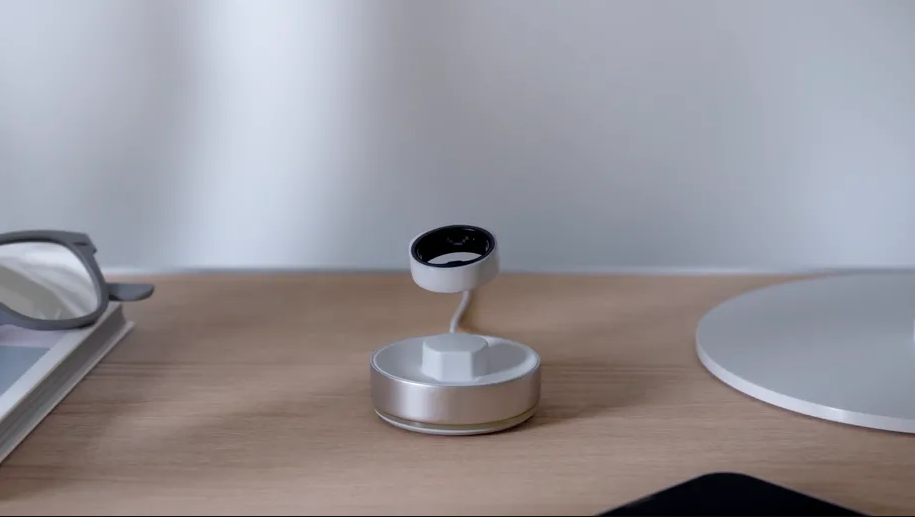
The Happy Ring will track your moods and is only available via a subscription. Image courtesy of Happy Health.

Our guest this week is Josh Corman, who returns to the show to discuss his work at the Cybersecurity and Infrastructure Security Agency (he just joined Claroty as vice president of cyber safety strategy). Infrastructure in the U.S. and in many other countries has become increasingly attractive to hackers seeking ransoms or more serious disruption. Whether it’s someone hoping for profits or a nation-state, Corman points out some of the easiest and most effective steps an entity can take, even if that organization doesn’t have a formal cybersecurity program — or the budget for one.  He starts with the Bad Practices list from CISA that states organizations should avoid hard-coded passwords, establish multi-factor authentication and to avoid using software that has reached its end of life. We also discuss an easy effort to get your Stuff off Search, a program that helps any IT person suss out open ports on popular search sites such as Shodan, Censys and Thingful. It’s so easy I can do it.

Hosts: Stacey Higginbotham and Kevin Tofel
Guest: Josh Corman, Founder, I am The Cavalry and VP Cyber Safety Strategy at Claroty
Sponsors: Silicon Labs and Impinj

  • We have big concerns about a decentralized 5G network’s viability
  • More vulnerabilities are showing up in firmware
  • Here’s a mood ring for the 21st century
  • We need to get more companies to do the bare minimum for cybersecurity
  • How to get your stuff off search and start securing your network

The post Episode 386: We question Nova Labs’ 5G deal appeared first on IoT Podcast - Internet of Things.


Thursday, August 18, 2022

IoT Podcast Episode 385: Google Cloud kills IoT Core and hearing aids get smart

This week’s show kicks off with a whispered bang that Kevin will soon hear, thanks to the FDA approving over-the-counter hearing aids. We talk about what happened and what it means for innovation in wearables before then tackling Google killing off its Google Cloud IoT Core service that manages device data and connects that data to Google’s Cloud Platform. Then we turn to security news including a John Deere hack shared at Defcon last week and an “Evil PLC” attack that affects industrial controllers from all major vendors. The smart home also gets a cool project called Fluid One that will create a network of ultra wideband sensors in a home which then lets you control devices by pointing a phone in their direction. With Omdia stating that this year there will be 2 billion smart home devices globally, we should figure out easier ways to control them. Finally, we talk about research that lets you power wearable sensors with sweat. It’s gross, but also really useful. We end the show by answering a listener question about continuous video recording on Apple’s HomeKit Secure Video.

Hearing aids can now be sold over the counter, which should lower costs and drive more innovation.

Our guest this week is Chris Albrecht, the founder and editor of Ottomate, a newsletter dedicated to food robotics. We talk about where you’re likely to see food robots first, and what they might look like. He then discusses how many places that already have robots serving diners and frying their food. Plus, we get a glimpse of a future food court comprised of meal-making vending machines that could line the lobby of a hotel, providing hot food even if the hotel doesn’t offer room service. And of course, we talk about delivery robots and how inefficient it is to use a two-ton vehicle to deliver two tacos. Our automated world of food delivery and cooking awaits us, and I’m honestly eager to see it. Enjoy the show.

Hosts: Stacey Higginbotham and Kevin Tofel
Guest: Chris Albrecht, founder and editor of Ottomate.news
Sponsors: Silicon Labs and Impinj

  • We’re excited for more innovation in hearing aids.
  • Our favorite hacks from Defcon.
  • Powering wearables could become a sweaty business.
  • All the places food vending machines could thrive.
  • Where is my robot delivery driver, and how far might it travel?

The post Episode 385: Google Cloud kills IoT Core and hearing aids get smart appeared first on IoT Podcast - Internet of Things.
Thursday, August 11, 2022

IoT Podcast Episode 384: Here’s why Amazon really bought iRobot

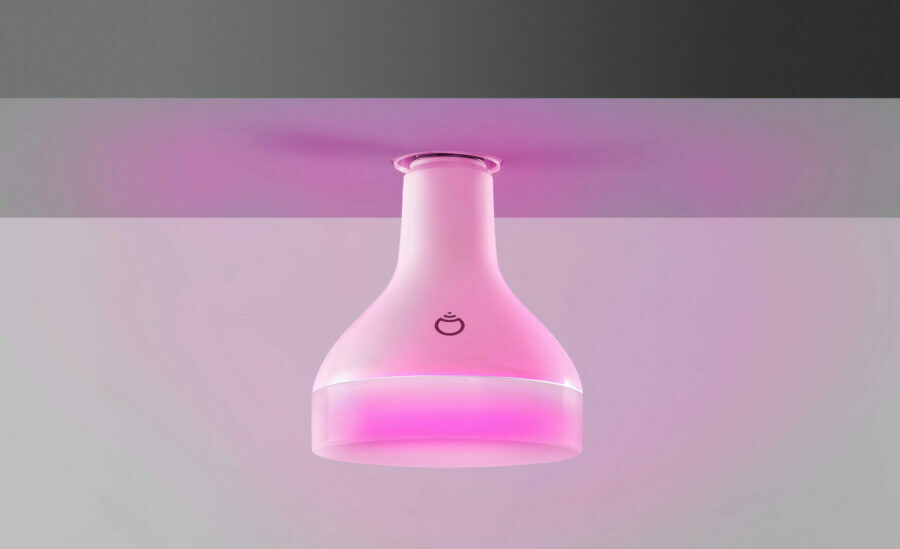
This week’s show kicks off with our discussion of Amazon’s planned acquisition of iRobot, the maker of Roomba robotic vacuums for $1.7 billion. We then talk about a survey from Parks Associates that indicates almost a third of people using AirTag-style trackers to track people without their knowing and why users and companies must focus on consent. Then we hit on another ethics issue associated with a connected Epson printer that stops working after a set period of time, also unbeknownst to the user. In non-ethics news, Feit has purchased LIFX assets, Energous got FCC approval for sending up to 15 watts of power over the air for wireless charging and Qualcomm signed a deal with Global Foundries to ensure its chip supply through 2028. While on the topic of chips, we talk about software that runs on existing ESP32 that uses Wi-Fi for person detection and sensing, and future Apple products for the smart home. We end with a listener question about whether he should buy a new DIY hub and devices, or wait for Matter gear.

LIFX assets are now owned by Feit. Image courtesy of LIFX.

Our guest this week is Mark Benson, the head of Samsung SmartThings US. Benson is on the show to explain how SmartThings plans to eliminate the use of Groovy apps on hubs. The way forward is using APIs for cloud-to-cloud integrations, and LUA-based event handlers for smart apps that run locally. The final shift from Goovy takes place Sept. 30 so get ready for disruption if you have an older, niche routine or app on SmartThings, or update before then. Benson also shares more information on how SmartThings plans to support Matter and what it will mean for Samsung’s overall strategy in the smart home. We dig into what it means to be a Matter controller versus a Matter bridge and what role SmartThings will play. It’s a good show.

Hosts: Stacey Higginbotham and Kevin Tofel
Guests: Mark Benson, the head of Samsung SmartThings US
SponsorsSilicon Labs and Impinj

  • Amazon buys iRobot to build out the next generation of the smart home
  • I’m surprised to see how many people are secretly tracking others
  • We need expiration dates for smart devices
  • SmartThings gets ready for its final goodbye to Groovy
  • How SmartThings plans to adopt Matter

The post Episode 384: Here’s why Amazon really bought iRobot appeared first on IoT Podcast - Internet of Things.
Thursday, August 4, 2022

IoT Podcast Episode 383: Meet Insteon’s new CEO

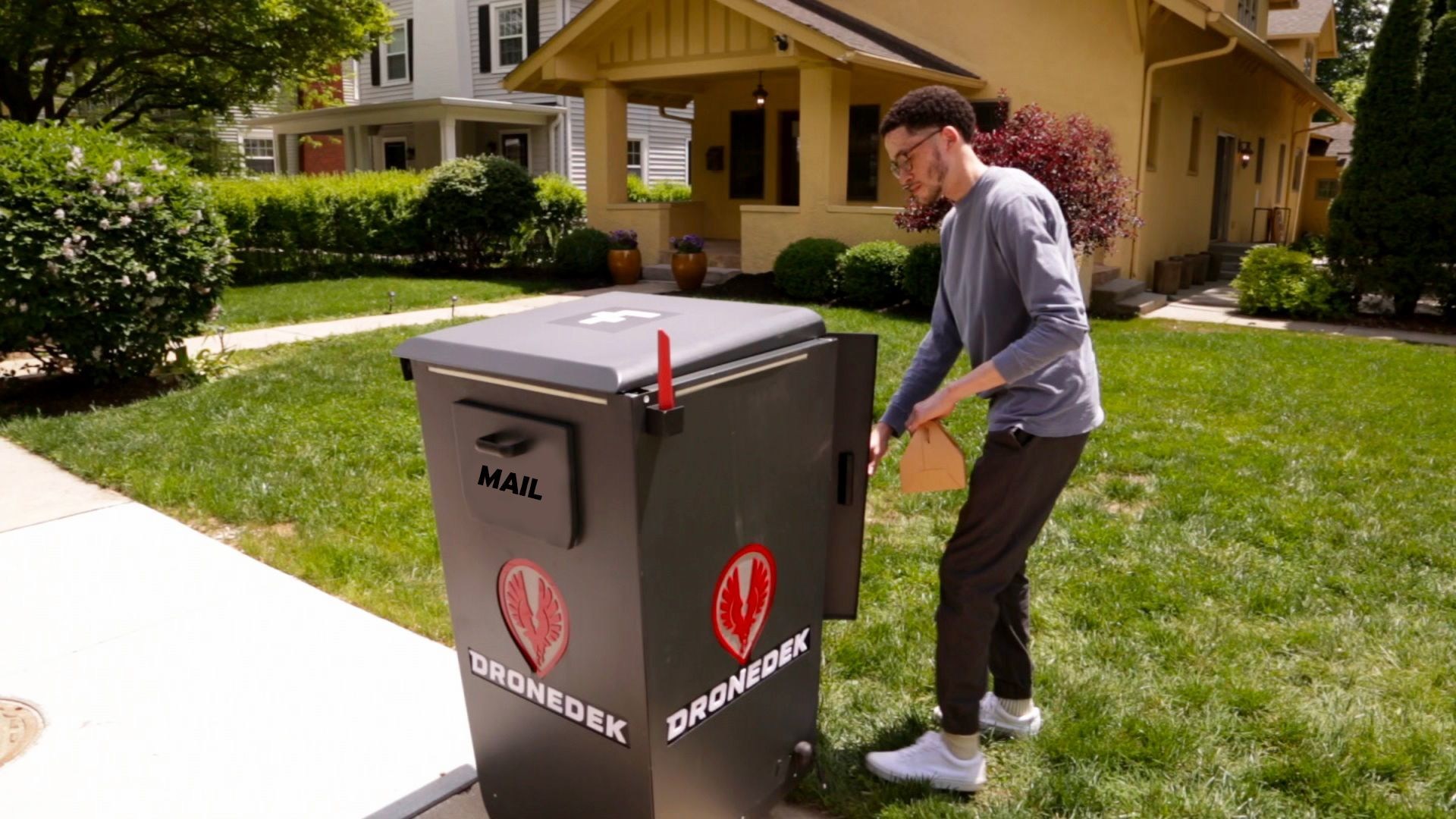
Last week, we kicked off the podcast with a discussion on the Helium peer-to-peer IoT network, and this week we did the same thing. This time we dug into the disclosures that Helium didn’t actually have Lime or Salesforce.com as current customers, despite having listed them prominently on its web site. Nova Labs CEO Amir Haleem tried to explain what happened in a Twitter thread, but since the crypto industry is full of scammers, it feels like a company should aspite to higher levels of integrity. Then we discuss the planned Semtech acquisition of Sierra Wireless and explain what it might mean for LoRaWAN. Then we talk about the creation of a new connectivity and hardware company thanks to the combination of Telit and Thales’ connectivity business. From there we highlight the mailbox of the future, some cool battery tech, a secret Google device, a broken Google integration and ADT’s Google partnership. Then we note that Home Assistant’s latest hardware option, the Home Assistant Yellow is now shipping to early buyers, and discuss a smart scarf deployed by a UK soccer team to measure fans’ feelings during a match. We end by answering a listener question about how to track their laundry in the wake of Smart Dry’s closure.

The new Dronedek mailbox has a section for postal delivery and a climate-controlled chamber for food delivered via drone. Image courtesy of Dronedek.

Our guest this week is Ken Fairbanks, the CEO of Insteon Technologies Inc. who is ready to share what happened between the end of Insteon in April and his acquisition of the assets in June. He also discloses what comes next for the new Insteon and explains why customers were caught off guard by the abrupt closure and the equally abrupt return of service for their hubs. Fairbanks is still trying to piece together the assets he purchased, but is also trying to talk to users about what they want to see for the smart home service. He also explains why he had to charge a subscription and how he plans to move forward. If you’re an Insteon customer take a listen, and if you are smart home user you might learn why it’s so hard to restart a dying connected home business.

Hosts: Stacey Higginbotham and Kevin Tofel
Guest: Ken Fairbanks, the CEO of Insteon Technologies Inc.
Sponsors: Silicon Labs and Impinj

  • Who’s using the Helium network?
  • Two big mergers in industrial and enterprise IoT
  • Good news from Google and some bad news from Google
  • Behind the scenes during the Insteon sale
  • Insteon has plans for Matter

The post Episode 383: Meet Insteon’s new CEO appeared first on IoT Podcast - Internet of Things.
Thursday, July 28, 2022

IoT Podcast Episode 382: Is Helium full of hot air?

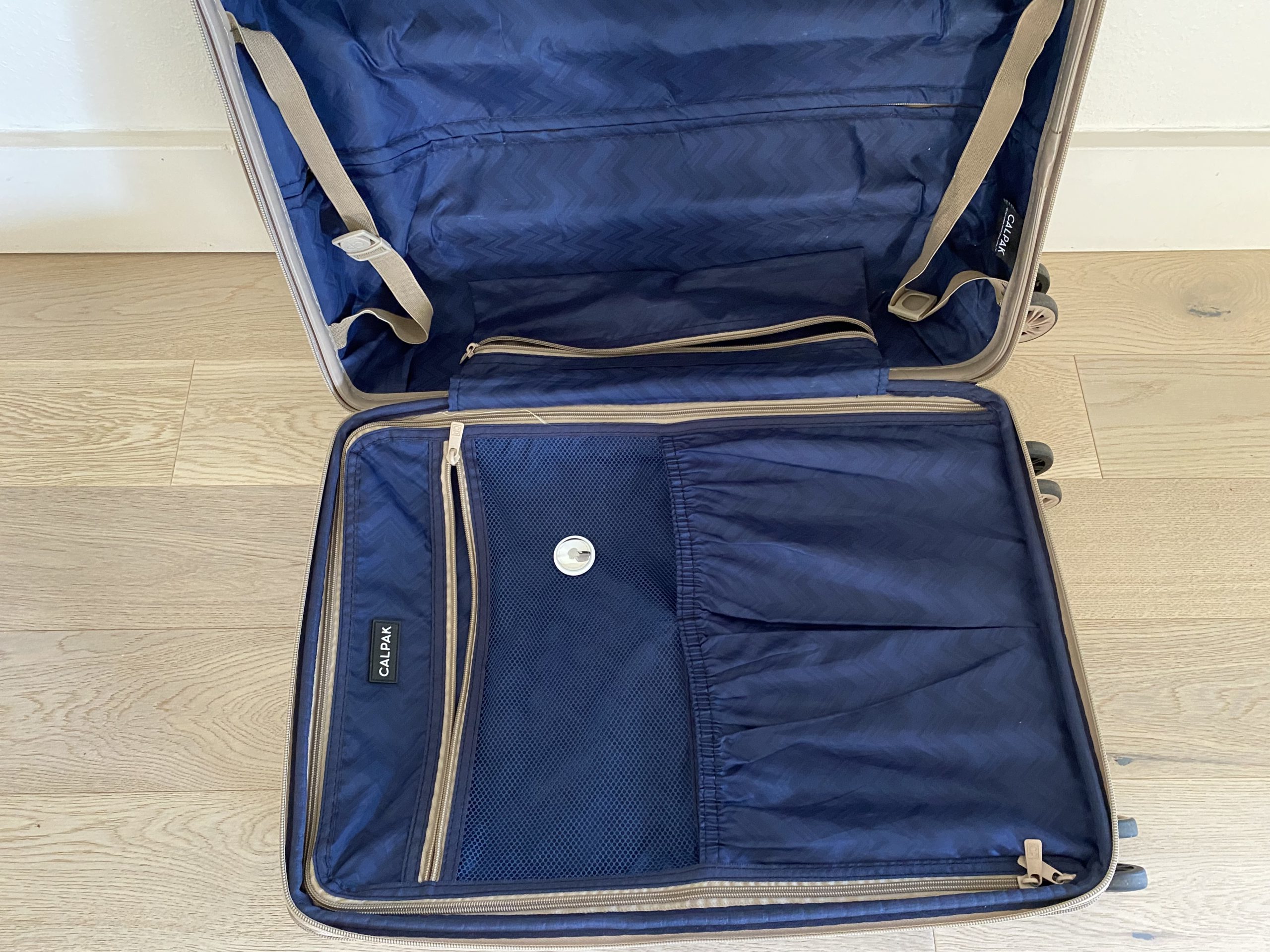
We start this week’s show with a deep dive into a popular post from this week about the Helium network. The report pointed out that Helium only made $6,500 in the month of June from data rates. We explain why that’s not a surprise and what it will take to get those numbers up. Then we talk about Apple’s Air Tags and their potential use to track thieves and suitcases. Then Kevin reviews the Eve Motion with Thread sensor and then we focus on the excellent article from CNET that documents when Ring, Nest, Arlo and other camera companies will share your video data with police. The we cover shorter stories from Drover AI, two satellite deals including a $3.4 billion European acquisition deal, and updated lighting features from GE Cync. We then answer a listener question about Insteon’s plan for an annual fee for cloud connectivity and services.

My suitcase and obligatory Air Tag. Image courtesy of A. Allemann.

Our guest this week is Jim Ethington, CEO of Arable, a precision agriculture company. He’s on the show to talk about Arable’s $40 million in funding, and what Arable has learned in the last six years of operation. We also talk about the myth of using data to create “perfect predictions” and what sorts of predictions are more realistic when discussing how farm sensors can help farmers increase yields. Then we discuss why farmers are looking beyond simple ROI measurements when adopting technology and how sensor platforms such as Arable’s can help make their investments in sustainability or traceability pay off. We end with a list of hardware that Ethington would like to see for future field sensors. These include better connectivity options and sensors that provide more options for detecting different wavelengths of light. Enjoy the show.

Hosts: Stacey Higginbotham and Kevin Tofel
Guest: Jim Ethington, CEO of Arable
Sponsors: InfluxData and Intent

  • Helium is a legit business, but is it worth $1.2 billion?
  • The Air Tag is a tool for good or evil
  • How Ring and Google decide what videos to share with police
  • The future of precision farming goes far beyond greater yields
  • Sensors with different spectral ranges will let us better monitor plant health

The post Episode 382: Is Helium full of hot air? appeared first on IoT Podcast - Internet of Things.

Thursday, July 21, 2022

IoT Podcast Episode 381: Alexa and Qualcomm embrace ambient tech

This week’s show kicks off with our discussion of several announcements from Amazon’s Alexa Live developers’ conference held Wednesday. Alexa is getting several features as part of the launch of the Matter smart home interoperability protocol that should launch in the fall. For example, users will be able to name a device once and put it in a group and that nomenclature will work across Alexa, manufacturer apps, and other controllers such as Google Home or Apple’s Siri. Amazon also shared new ways for developers to access context in the home thanks to its new Ambient Home Dev Kit and new ways for developers to build Routines for Alexa. Also ahead of Matter, Thread is getting an update, so Kevin and I explain what that entails before turning to Qualcomm’s new wearables chip.

The Google Glass AR prototype. Image courtesy of Google.

One of the keywords for Qualcomm’s new wearable platform is ambient, as the chipmaker has moved several features to a low-power always-on processor to ensure that smart watches built using the platform have always-on sensing, wake-word detection, and a nice display without compromising on battery life. Then we talk about FCC Chairwoman Jessica Rosenworcel’s inquiry into data-gathering and sharing practices by cell phone providers, especially when it comes to location data. We also discuss Google’s new plans for AR glasses, using the IoT to detect forest fires, and yet another security flaw. This time it’s in a GPS tracker from a Chinese provider. We also say goodbye to Microsoft’s Sam George who retired from his role leading Microsoft Azure IoT. We end by answering a listener question about tracking the temperature of a fish pond.

Hosts: Stacey Higginbotham and Kevin Tofel
Sponsors: InfluxData and Intent

  • With new features Alexa is a smarter brain for the smart home
  • Thread’s getting an update ahead of Matter
  • Qualcomm’s wearable chip is better late than never
  • The FCC wants to know what carriers want with your location
  • Google’s new glasses respect the camera shy

The post Episode 381: Alexa and Qualcomm embrace ambient tech appeared first on IoT Podcast - Internet of Things.

Thursday, July 14, 2022

IoT Podcast Episode 380: Here’s what we think with Wink on the blink

This week’s show comes to y’all from Paris and the English seaside, with Kevin and I wondering exactly what happened to Wink. We also offer options for the few remaining holdouts on the platform. We then discuss Hive’s decision to pull back on smart home devices and its new smart thermostat (Hive plans to continue making smart energy devices). Then we focus on surveillance news starting with San Francisco’s Rule’s Committee broadening support for law enforcement agencies to access Ring camera data. Then we share how often police got access to Ring device footage without the owner’s permission. The Federal Trade Commission has a warning for companies that say they anonymize their data when in fact, they do not, and Home Assistant now has a program for formal integrations. We also share our perspectives on BMW charging a monthly fee for access to heated seats. We end by answering a listener question about network extenders.

What the heck is up with Wink? We still don’t know.

Our guest this week is Pilgrim Beart, CEO of DevicePilot, which works with companies to provide service assurance for connected devices. We discuss what the heck service assurance actually is, as well as the challenges of the smart home. Beart was the former CEO of AlertMe, which provided the back end for Lowes’ Iris and the Hive smart home systems. He talks about how his companies both shifted from a focus on smart home devices to smart energy. Then we talk about why the energy market is so ripe for disruption from players willing to take advantage of embedded intelligence. We end with a discussion about the role of regulators in the connected energy markets and how they should approach the job. Enjoy the show.

Hosts: Stacey Higginbotham and Kevin Tofel
Guest: Pilgrim Beart, CEO of DevicePilot
Sponsors: InfluxData and Intent

  • It’s time to dump Wink and here’s what to choose instead
  • Police have gotten data from Ring 11 time in the last year without owner permission
  • The FTC thinks your data anonymization claims are sus
  • Why the smart home was destined to fail
  • We need to think about resiliency when bringing smarts to the grid

The post Episode 380: Here’s what we think with Wink on the blink appeared first on IoT Podcast - Internet of Things.
IoT Podcast Episode 437: Goodbye and good luck

This is the final episode of The Internet of Things Podcast, and to send us off after eight years, we don’t discuss the big news of the day ...