Thursday, October 27, 2022

IoT Podcast Episode 395: I’m running Matter. Now what?

We kick off the podcast with more conversation about the planned White House-led cybersecurity label for consumer IoT devices. Contrary to what I wrote last week, it seems that privacy won’t be as big of a focus, which is disappointing. Then we move into a bunch of updated product news, such as the launch of IKEA’s new Home Smart app and Dirigera hub. SmartThings has a Matter update, which I installed, and Google is updating its Home Assistant AI, adding older cameras to its Google Home App and its newer cameras to the web. We also share how to create routines on the new Google Home app using devices and offer some troubleshooting possibilities. In other device news, Ecobee is said to be preparing a video doorbell, which is confusing to us. There’s also a new crypto-affiliated LoRaWAN miner on the block. We then talk about Level locks and Home Key, and the end of one of my favorite devices of all time. Finally, we take a listener question about how Matter will handle security.

The IKEA Dirigera hub is available now. Image courtesy of IKEA.

Our guest this week is Mike Nelson, VP of IoT security at DigiCert, who joins me to discuss what Matter will require from a security standpoint. We talked about it for a story two weeks back, but in the show we also discuss what the next iteration of Matter security might include as the specification matures with later versions. The current version of security with Matter is one of several progressive steps the industry has taken toward boosting security of connected devices, but regulators are also getting involved. So I ask Nelson his thoughts on the White House plans for a cybersecurity label for consumer IoT devices. He isn’t sure a detailed label makes much sense but talks about what he’d like to see for consumer IoT, and for other industries such as healthcare. It’s an important conversation.

Hosts: Stacey Higginbotham and Kevin Tofel
Guest: Mike Nelson, VP IoT security at DigiCert
Sponsors: Arm and Silicon Labs

  • What we think a cybersecurity label needs
  • Everyone is preparing for Matter
  • Why is Ecobee adding a video doorbell?
  • Here’s what we may see in future Matter security requirements
  • Why a nutrition-style cybersecurity label for IoT won’t work

The post Episode 395: I’m running Matter. Now what? appeared first on IoT Podcast - Internet of Things.

Thursday, October 20, 2022

IoT Podcast Episode 394: This company thinks TinyML will be big

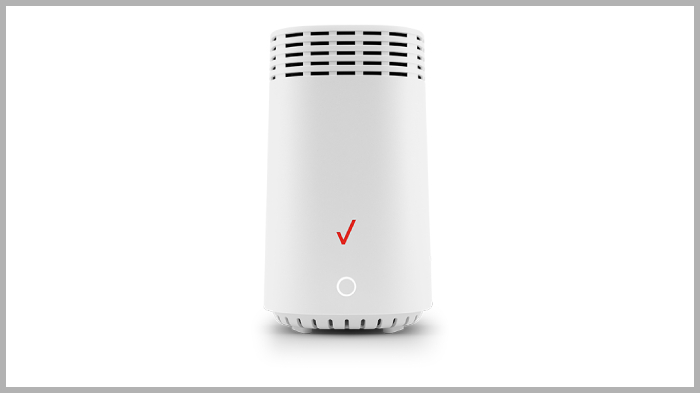
TinyML is about to get really big, or at least that’s what a startup thinks as we explain on this week’s podcast. Useful Sensors is the company that’s making inexpensive, low-powered edge sensors in a way that protects privacy. We discuss why we agree with that approach. Next up are our thoughts on fact why 5G really hasn’t taken the IoT market by storm yet. You’ll want to hear our reasons for this because there are several. We then turn to Apple as the company is reportedly working on an iPad smart display of sorts, similar to the recently announced Google Pixel Tablet. Kevin then points out something important about the newest Apple TV 4K devices if you plan to have a Thread network for Matter devices your house. And speaking of Matter, there’s a new USB dongle for HomeAssistant: It adds multiple radios for both Matter and Zigbee support. If you’d rather go with an integrated solution, we can point you to Aeotec as we share news of its SmartThings hub upgrade for Matter. Health data and algorithms also make the show this week as there’s a unique project to track which algorithms are better than others. Lastly, we discuss Verizon’s free new service for its internet customers: Verizon routers can now detect physical disruptions in your network, indicating the movement of people. Before closing out the news portion of the show, we answer a listener’s question about people controlling smart home devices in vacation homes.

Image courtesy of Verizon.

Our guest this week is Pete Warden, CEO of Useful Sensors, a company that’s bundling a sensor with predetermined machine learning algorithms for recognizes people, faces, gestures and more. Warden explains the challenges of Tiny ML, the act of embedding machine learning algorithms on constrained, power sipping devices, and how he hopes Useful Sensors can help companies who build devices figure out compelling uses for the technology. Tinly ML has a huge amount of promise for the IoT, but it’s hard to find use cases outside of the ubiquitous wake word detection. By offering a $10 sensor that can provide person and face detection to makers, Warden hopes to jumpstart new ideas for Tiny ML. We might see those in future appliances, televisions, toys and more. We also talk about how he’s thinking about respecting consumer privacy and what it will take to make people feel comfortable in a world with millions of tiny cameras, microphones, and other sensors embedded in everyday objects. Enjoy the show.

Hosts: Stacey Higginbotham and Kevin Tofel
Guest: Pete Warden, CEO of Useful Sensors
Sponsors: Nordic Semiconductor and Firewalla

  • 5G will come to some IoT devices, but only some
  • More Matter updates coming our way
  • Verizon embraces Wi-Fi sensing for security
  • With Tiny ML the IoT may not always need the internet
  • How to create trust in a world of millions of tiny cameras and microphones

The post Episode 394: This company thinks TinyML will be big appeared first on IoT Podcast - Internet of Things.

Thursday, October 13, 2022

IoT Podcast Episode 393: Why Roku needs the smart home

The biggest news this week is probably the launch of a line of inexpensive smart home products from Roku, the smart TV and set-top box maker. We talk about the products, its deal with Wyze and where you can get them. Then we move on to Matter, specifically when you might get Matter on your devices, and the new pact between Google and Samsung SmartThings, that will make using either Google Home’s app or the SmartThings’ app as a controller seamless for your smart home. Then we discuss the results of the Eclipse Foundation’s IoT Developer survey in detail, including popular real time operating systems and messaging protocols, before getting an update on smart home device adoption from Parks Associates. We aren’t too concerned with Prime Day deals but we did notice that the Amazon Smart Air Quality Monitor has a new feature. In related news, we talk about other indoor air quality products and frustrations with Kevin’s Ecobee indoor air quality monitoring. After that we mention Lufthansa’s decisions to ban AirTags (it unbanned them after we recorded the show), an ITU approval for wireless over-the-air charging in the 900 MHz band, and the soon-to-be announced cybersecurity label from The White House. Finally, we answer a listener question about viewing Wyze cameras on a Google display.

Connectivity is still hard for IoT developers according to the Eclipse Foundation survey.

Our guest this week is Janko Roettgers, a senior reporter at Protocol, who explained the role that the TV currently plays and will likely play in the smart home. This is especially helpful because, as he explains to me, my home is a bit weird when it comes to televisions. He discusses how TV makers are looking for new forms of revenue, including advertising, while tech firms are getting into making TVs for similar reasons. He also puts Roku’s move into the smart home with devices and services into context. Specifically it’s because TVs are super low-margin and if it doesn’t move into the smart home it’s rivals will. Actually, they are already as he clearly explains. He also explains how TVs will handle smart home navigation and offers a little scoop on Google’s display plans. Enjoy the show.

Hosts: Stacey Higginbotham and Kevin Tofel
Guest: Janko Roettgers, a senior reporter at Protocol
Sponsors: Nordic Semiconductor and Firewalla

  • Roku gets into the smart home with help from Wyze
  • Developers are still pretty fragmented when it comes to everything at the edge
  • Kevin discovers the limits of indoor air quality monitoring
  • The TV may be the next battlefront for smart home vendors
  • What Matter will mean for TV makers

The post Episode 393: Why Roku needs the smart home appeared first on IoT Podcast - Internet of Things.
Thursday, October 6, 2022

IoT Podcast Episode 392: Matter is here. Now what?

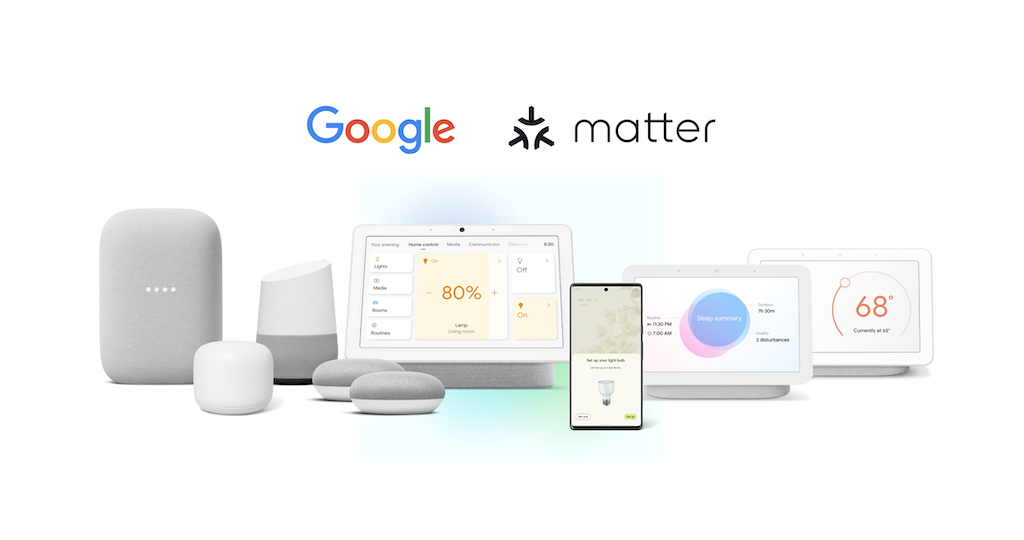
Matter is now official after almost three years of waiting, and Kevin and I are super excited. Well, I am. Kevin is more measured, but we talk about what to expect and when to expect Matter to start changing your smart home. In related news, we discuss Google’s new doorbell, mesh router and plans for the Home app.  Google is also adding more sensing capabilities to the smart home through its existing hubs. In November, IKEA plans to launch its latest smart home hub, the Dirigera, which will cost about $60. This will replace the Trådfri hub, but will also let users bridge their older IKEA devices to the Matter protocol. Kevin gets to tell me that he told me so, as Amazon kills the Glow video calling device for kids, and we lay our the five principals that are part of a new U.S. blueprint for legislation related to AI. We end by answering a question from a listener about using their SmartRent Hub as a secondary Z-wave controller.

Like other big name smart home vendors, Google already has plans for Matter. Image courtesy of Google.

Our guests this week are both from John Deere. We have Tracy Schrauben, manager, manufacturing emerging technologies at John Deere who represents the operational technology side of the manufacturing plant. Also joining is Jason Wallin, principal architect at John Deere, who is handling IT. Both are on the show for an exclusive look at how the agricultural company is deploying the CBRS spectrum it purchased in 2020. In its Moline, Illinois plant, John Deere has deployed 14 microcells that today provide LTE connectivity to various pieces of equipment. But the plan is to get to an all 5G network as end devices become available. Our guests explain why they are unwiring the factory, some of the use cases and what it’s like to build and manage your own private wireless network. This is a must listen for folks who care about factory 5G.

Hosts: Stacey Higginbotham and Kevin Tofel
Guests: Tracy Schrauben and Jason Wallin of John Deere
Sponsors: Nordic Semiconductor and Firewalla

  • Matter is live, and now we get to test it in our homes!
  • Google’s new Home app is a much needed improvement
  • The U.S. now has a good framework for AI legislation
  • Why John Deere invested in its own spectrum for factory 5G
  • How John Deere plans to unwire its factories

The post Episode 392: Matter is here. Now what? appeared first on IoT Podcast - Internet of Things.
Thursday, September 29, 2022

IoT Podcast Episode 391: Amazon’s turning Alexa into the brains of the home

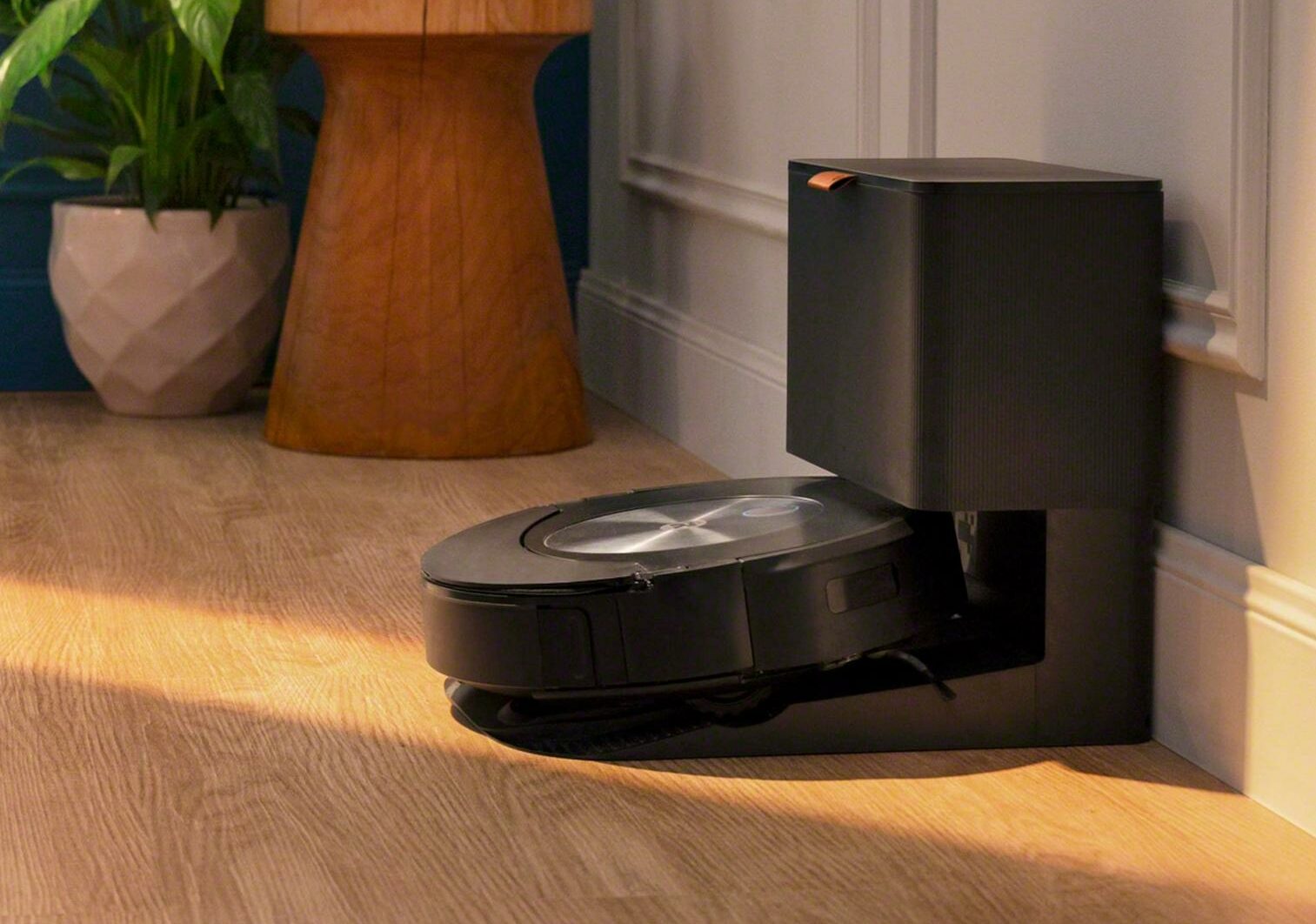
This week’s show focuses on Amazon’s new devices and services launched Wednesday. Kevin and I talk about Amazon’s direction with Alexa as the manager of your life. We also gawp at the price iRobot is charging for its latest iteration of the Roomba robotic vacuum, although Kevin convinces me it’s not too crazy. Then we move into a discussion of the energy grid, sharing data from Itron on how utilities are thinking about the future electric grid, and how a partnership between Itron and Samsung SmartThings is an example of long-term thinking. Then I talk about the latest reporting from Forbes on Helium, and apologize for not being more wary about the chicanery that went on in the beginning by Helium’s executives. We then talk about my experience with the latest Yale lock. We end by answering a listener question about Ecobee thermostats that start heating or cooling before you intended.

The new Roomba is both a vacuum and mop. Image courtesy of iRobot.

Our guest this week is Elizabeth Parks, president and CMO of Parks Associates, a research firm focused on emerging technologies. Parks discusses how COVID changed the home security market as well as how monitored security providers have moved downmarket while DIY security companies have expanded upward into offering monitored security. All of this jostling has expanded the overall market. We also talk about the coming demand for energy management services as well as trends in new home building. Expect more connected devices! We end with a quick overview of what to expect from the CEDIA Expo happening this week in Dallas. It’s a fun conversation.

Hosts: Stacey Higginbotham and Kevin Tofel
Guest: Elizabeth Parks of Parks Associates
Sponsors: Nordic Semiconductor and Firewalla

  • Amazon’s home robot is really Alexa
  • Why energy is becoming a hot topic in the smart home
  • A mea culpa on Helium
  • The security market is expanding thanks to the smart home
  • What to expect from CEDIA


The post Episode 391: Amazon’s turning Alexa into the brains of the home appeared first on IoT Podcast - Internet of Things.
Thursday, September 22, 2022

IoT Podcast Episode 390: The FTC eyes Amazon’s iRobot buy

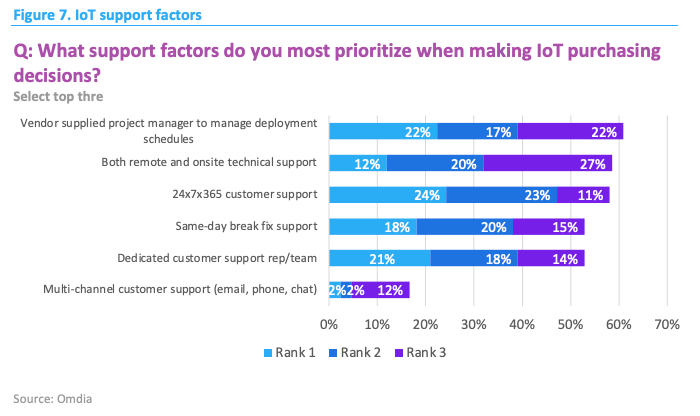
The Federal Trade Commission is looking into Amazon’s decision to purchase the maker of Roomba vacuum cleaners for $1.7 billion. The agency this week asked Amazon and iRobot for more information about the deal, so Kevin and I took a moment to explain exactly what the FTC should worry about. Then we talk about Wi-Fi sensing showing up in Signify’s WiZ lightbulbs, and a wireless power provider paired with smart tags enabling a new retail experience — all without batteries. We touch on Nvidia’s continued forays into the metaverse and its plans to create digital twins for retailers with its new Omniverse services. We also cover two surveys this week from MachineQ and Hitachi Vantara. Those surveys focus mostly on enterprise IoT adoption and things that stand in the way of them. We also cover Helium’s new deal to bring its decentralized 5G wireless network to T-Mobile and then discuss Tile’s new QR code stickers to create a tech-savvy label for your stuff that might get lost. It’s better than sewing your name in your underwear. Kevin then discusses his review of a LoRa-based IoT development kit from Blues Wireless. We end by answering a listener question about leak monitoring and water shut off tools.

Image courtesy of MachineQ.

Our guest this week is Rob Davies, the chief insurance officer at Vivint. We start the interview by asking what a monitored security company is doing in the insurance sector, and move on to discuss what data might be most useful in building new insurance products. We also talk about how an insurance company might use smart home data to become more proactive about alleviating risk as opposed to paying out once the worst has happened. Davies uses the example of someone who has forgotten to lock their door. With Vivint’s platform, the insurance provider can let the homeowner know their door is unlocked before someone tries to break in. This creates a new relationship between insurers and their clients, and it will be interesting to see how far insurance companies take this idea. Enjoy the show.

Hosts: Stacey Higginbotham and Kevin Tofel
Guest: Ron Davies, chief insurance officer Vivint
Sponsors:  Infineon and Silicon Labs

  • Why Robot OS could become Amazon’s anti-competitive advantage
  • Buy IoT gear is tough, and having customer support matters
  • This LoRa development kit was easy to set up and get data from
  • Why a monitored security firm is interested in offering insurance
  • Owning your own devices is useful for building new insurance products

The post Episode 390: The FTC eyes Amazon’s iRobot buy appeared first on IoT Podcast - Internet of Things.
Thursday, September 15, 2022

IoT Podcast Episode 389: Is Matter ready for its close up?

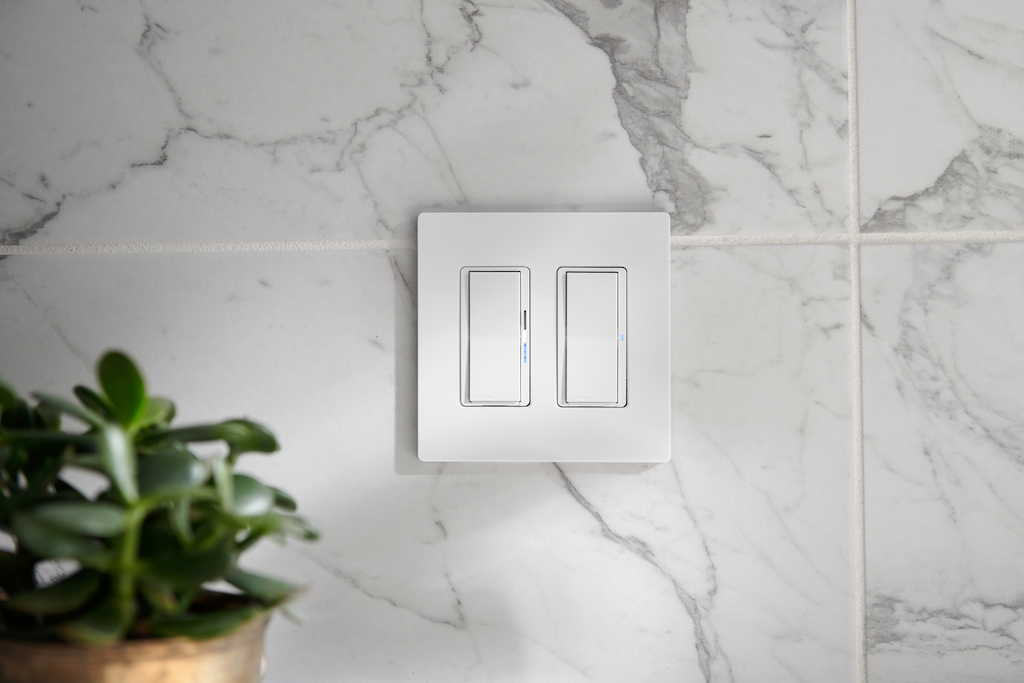
I’m in Austin this week, for Silicon Labs’ Works With event, and while there I hosted a panel that provided a good sense of what is going to happen with the Matter smart home interoperability protocol. I think Kevin is a bit more optimistic than I am. We also got some small updates on Amazon’s Sidewalk Network plans, which we discuss. After that, we talk about some news from Silicon Labs, and why folks in the IoT should keep an eye on Apple’s satellite plans. Then we talk about Lutron’s new smart paddle switch and dimmer that will fit right into existing home decor as well as how long certain device lifespans should be in the wake of Eero canceling support for its first-generation mesh routers. We then look at what is likely the next-generation wired Nest Hello doorbells, and look at some new resources for mapping out smart building capabilities before discussing funding for industrial IoT middleware provider Litmus Automation. We end by answering a listener’s question about smart smoke alarms and sending notifications to a phone.

The new Diva paddle switch and dimmer. Image courtesy of Lutron.

Our guest this week is Prashant Kanhere, the CTO of PayRange. PayRange provides a Bluetooth-based module that installs on a vending machine, washing machine, or pool table and replaces coin payments with electronic payments. I’ve followed this company for years and was stoked to see they had half a million devices under management now. With that scale, the company has figured out how to monitor those devices and how to update their firmware over tiny sips of connectivity. It’s a process that could come in handy for other IoT devices on low data-rate networks that need security or feature updates. We also discuss how the app works and the future of smart pool tables for a bit of fun. Enjoy the show.

Host: Stacey Higginbotham and Kevin Tofel
Guest: Prashant Kanhere, the CTO of PayRange
Sponsors:  Infineon and Silicon Labs

  • Matter may be too little, too late
  • The IoT should keep an eye on Apple’s satellite ambitions
  • Lutron’s new switch will fit right in
  • Dynamic pricing could come for commercial laundromats
  • Smart pool tables are in the future

The post Episode 389: Is Matter ready for its close up? appeared first on IoT Podcast - Internet of Things.
IoT Podcast Episode 437: Goodbye and good luck

This is the final episode of The Internet of Things Podcast, and to send us off after eight years, we don’t discuss the big news of the day ...