Thursday, July 27, 2023

IoT Podcast Episode 433: Tracking air quality with the IoT

This week we didn’t see a ton of news, yet we managed to talk about several big trends in IoT. We started with an update on Amazon’s planned acquisition of iRobot, and Amazon dropping the price by 15%. We explain why and then decided to explain in depth why we need the planned cybersecurity labeling plan for connected devices because so many people asked me why we need this. We then talk about Unabiz creating a partnership with Semtech to bring Sigfox technology into the Semtech network. Then we talk about insurance companies using data gleaned from drones, satellite photos, and IoT devices and how that may hurt consumers, as insurance companies try to cancel policies in risky areas. This is where climate change, the IoT, and data privacy will all intersect in ways that will harm consumers. We then ponder what will happen with Google displays as the company pulls back from its Fuchsia OS, and how a smart home reporter’s broken HVAC system made her realize the limits of the smart home. Finally, we answer a listener question about using a motion detector to make sure kids turn off their lights.
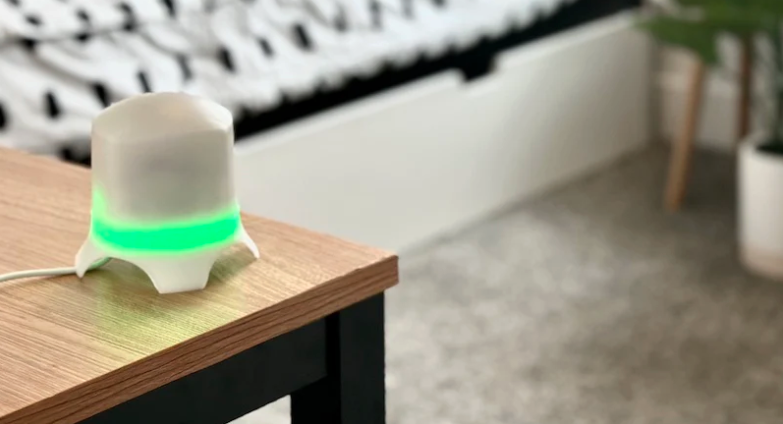
The PurpleAir Zen works both indoors and outdoors and costs $299. Image courtesy of PurpleAir.

Our guest this week is Adrian Dybwad, CEO and founder of PurpleAir, which makes a line of air quality sensors. As we head into wildfire season here on the West Coast, air quality data is becoming more important for people. For example, I turn regularly to PurpleAir data from the app, its web site, or on my Google display to see if I should go outside for a run or hold off. Dybwad and I talk about why the company was created, and how the air sensors are helping communities lobby for positive policy changes that can improve air quality. We also talk about how to think about connected devices contributing to citizen science, and why having a lot of sensors can mitigate concerns over accuracy. We spend a lot of time on how air quality sensors work and how to place them optimally as well. Enjoy the show.

Hosts: Stacey Higginbotham and Kevin Tofel
Guest: Adrian Dybwad, CEO and founder of PurpleAir
Sponsors: Wilderness Labs and Skyhawk

  • Why Amazon cut the price for Roomba maker, iRobot
  • Why you (and everyone else) should care about secure IoT devices
  • What we really need from our smart homes
  • How PurpleAir uses quantity to assure quality
  • The best place to set up your air quality sensors


The post Episode 433: Tracking air quality with the IoT appeared first on IoT Podcast - Internet of Things.

Thursday, July 20, 2023

IoT Podcast Episode 432: How to make IoT more consumer-friendly

This week we dig in on two topics that will make the internet of things friendlier for consumers. The first is the newly announced cybersecurity label plan from the White House that will create a way for consumers to see if their planned IoT purchase meets adequate cybersecurity standards. The second is our suggestion that device makers plan for failure when building a smart product, to help prevent consumers from spending hundreds or thousands on a connected device only to see it lose functionality when the manufacturer shuts down or sells. This happened recently for folks who spent $5,000 on VanMoof bikes and for folks who spent about $225 for a connected BBQ controller from iKamand. The iKamand app was turned off without notice to subscribers about 18 months after the company was purchased by Middleby Corp. Then we switch to a lighter topic. Literally, as we discuss LiFi and what the newly created IEEE standard for the tech may mean for the IoT. Then we discuss smaller news items such as funding for an IoT device that attaches to mobility aids to predict falls, Leviton updating devices to work with Matter, a new global eSIM plan for IoT devices from Verizon, and a new dev board that combines Arduino and Espressif’s ESP32. Finally, we answer a listener question about smart light bulb sockets.

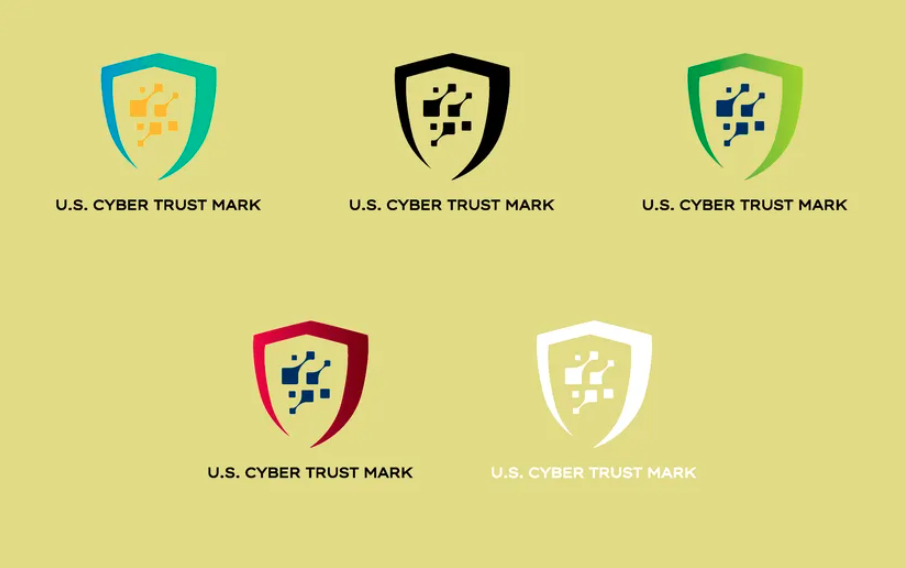
The U.S. Cyber Trust Mark could indicate that your next IoT device meets select security requirements. Image courtesy of the FCC.

Our guest this week is Steve Hanna, a distinguished engineer at Infineon and the chair of the security working group at the Connectivity Standards Alliance. He’s on the show to tell us more about the need for a voluntary, government cybersecurity mark for devices, and explain why developing such a mark is so difficult. We talk about the FCC’s role in managing the program, the time frame for a mark, and how the government plans to think about keeping up with the always-changing security landscape. We also discuss how Infineon’s customers are changing their views about IoT security labels, and how the mark relates to work done by the Arm’s PSA security standard and the security elements that are part of the Matter standard. It’s a good interview, made better by the fact that Hanna sounds just like Mr. Rogers.

Hosts: Stacey Higginbotham and Kevin Tofel
Guest: Steve Hanna, a distinguished engineer at Infineon
Sponsors: Wilderness Labs and Particle

  • Why we want a U.S. Cyber Trust Mark for consumer devices
  • What happened to this smart BBQ controller?
  • Leviton embraces Matter for its switches
  • Badges, QR codes, and building a layered mark for cybersecurity
  • Where will privacy fit into any security mark or standard?


The post Episode 432: How to make IoT more consumer-friendly appeared first on IoT Podcast - Internet of Things.
Thursday, July 13, 2023

IoT Podcast Episode 431: Why Josh.ai added ChatGPT to the home

This week on the show, Kevin and I start off talking about some of the Roku gear I’ve been playing with for the last week. We discuss the gear and the subscription plans and how they compare with what else is on the market, before moving on to talk about Latch laying off 59% of its workforce in preparation for what I suspect will be a pivot from access control to a services business aimed at folks living in luxury apartments. After that, we share some tales of civil disobedience from San Francisco, where activists are placing traffic cones on top of self-driving vehicles to halt them in their tracks. Then we devote the rest of our time to novel sensors and platforms for sensing, starting with research showing that seven days of smart watch data can predict Parkinson’s, and research on a wearable for people with epilepsy that can predict seizures. We also cover funding for Pano, a camera platform that uses computer vision to “see” fires in remote locations, and a sensing platform called Nami raising $10 million in Series A financing. There’s also a new sensing device called the Nano Computer from Nodle that combines a few sensors, an Arm M-0 microcontroller, a Bluetooth radio, and a printed battery in a device that should cost about $3 per device at shipments above 100,000 devices. Finally, we answer a listener question about the Aqara FP2 presence sensor and security.

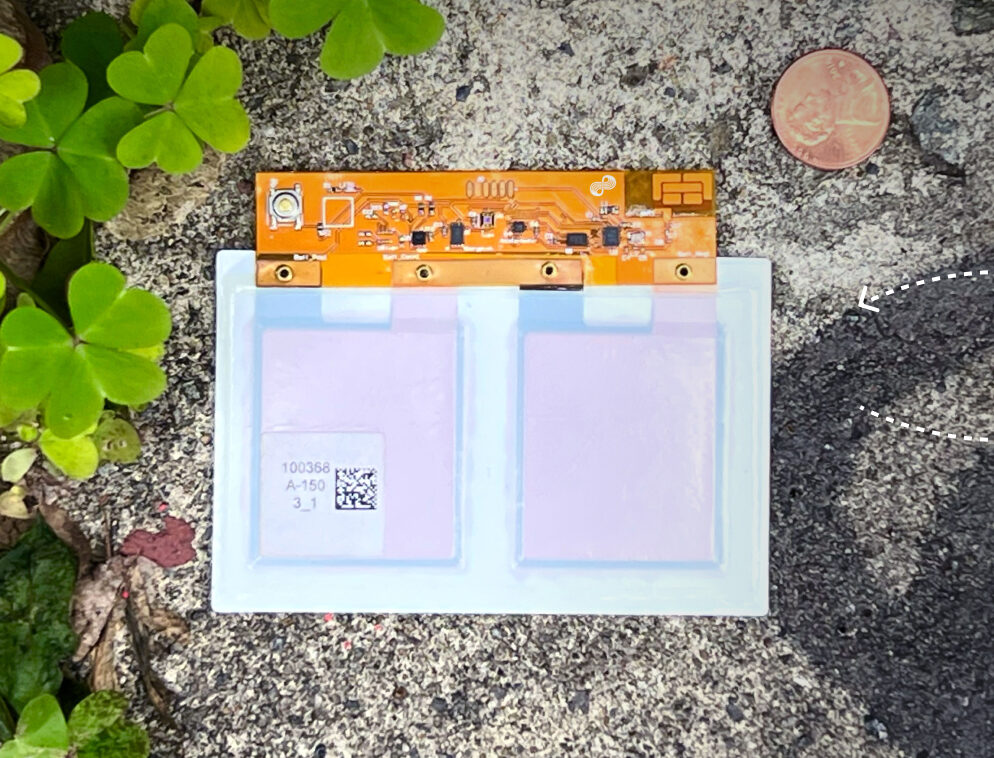
Nodle has shown off a design for a cheap, battery-powered sensor package. Image courtesy of Nodle.

Our guest this week is Alex Capecelatro, CEO and co-founder of Josh.ai, who returns to the show to talk about Josh.ai adding generative AI to the company’s voice platform. We get a lesson in Josh.ai’s history and why it decided to build a voice interface for the home even after Apple, Amazon, and other big companies launched their own products. Then he explains how Josh.ai added ChatGPT to its platform and the steps it took to help customers understand the limitations of the service. We talk about why it’s useful and how customers are using it so far. Since every company in the smart home space is contemplating the role generative AI will play in their products, this is an essential listen.

Hosts: Stacey Higginbotham and Kevin Tofel
Guest: Alex Capecelatro, CEO and co-founder of Josh.ai
Sponsors: Blynk and Particle

  • Who is the Roku smart home for?
  • Latch cleaned house before Jamie Siminoff takes over
  • The most innovative element in the IoT is new sensing technology
  • What Josh.ai learned when adding generative AI to its voice platform
  • Practical thoughts on privacy for voice assistants and generative AI

The post Episode 431: Why Josh.ai added ChatGPT to the home appeared first on IoT Podcast - Internet of Things.
Thursday, July 6, 2023

IoT Podcast Episode 430: The theme of this show is wearables

This week’s podcast focuses on wearables, from hearing aids to mixed reality headsets. We start the show talking about the potential future of Apple AirPods as a hearing aid or an additional health-focused wearable. And while on the topic of Apple, we mention that the badges on your smart home devices will say the device works with Apple Home as opposed to Apple HomeKit. And then it’s back to wearables with our skepticism over the Humane AI pin. In smart home news, Shelly has new Z-Wave devices coming, and a fledgling smart home company called TUO has released a new Matter smart button. Yes, I purchased the company’s smart button. Then we discuss Swarm stopping the sale of its original VHF satellite connectivity for IoT devices to focus on its direct to cell satellite services. We then give an update on the purchase of Jamie Siminoff’s Honest Day’s Work startup by Latch. Finally, we answer a listener’s question about how to create a routine on Amazon’s Alexa system that controls multiple devices.

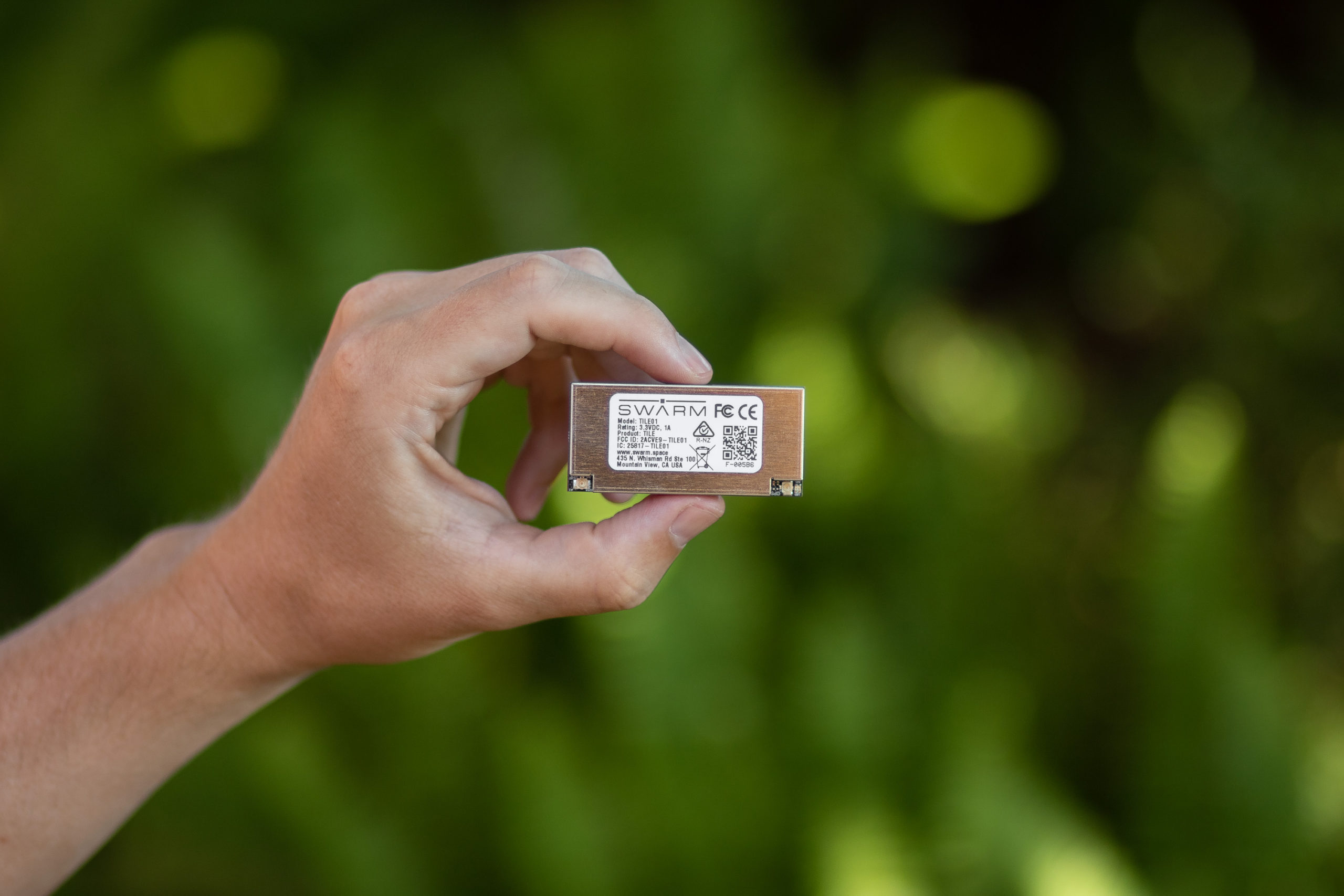
The Swarm Tile hardware won’t be sold anymore, but is still supported … for now. Image courtesy of Swarm.

Our guest this week is JJ Lechleiter, SVP and general manager of PTC’s Vuforia business, discussing another kind of wearable — headsets. Lechleiter has been building augmented and mixed reality software for years, and shared whether he thinks the introduction of Apple’s Vision Pro headset will change the adoption of mixed reality, augmented reality, and virtual reality in manufacturing operations. He also shares different use cases where AR and VR are already in use and explains the various reasons one might use one over the other. Lechleiter discusses different headsets already on the market and shares some thoughts about how AI, IoT, and AR will get used in day-to-day manufacturing. It’s a good show.

Hosts: Stacey Higginbotham and Kevin Tofel
Guest: JJ Lechleiter,  of PTC’s Vuforia business
Sponsors: Blynk and Particle

  • Why wouldn’t Apple make a hearing aid?
  • Is Humane the future tech that moves us beyond the smartphone?
  • Swarm stops selling its VHF satellite hardware
  • Can Apple move the needle on mixed reality in manufacturing?
  • When to use AR and when VR makes more sense

The post Episode 430: The theme of this show is wearables appeared first on IoT Podcast - Internet of Things.
Thursday, June 29, 2023

IoT Podcast Episode 429: Why Roku wants a smart home OS

This week we learned a bit more about streaming provider Roku’s plans to build a smart home operating system. This is in addition to all of the new smart home devices the company has developed using Wyze hardware. Because Kevin Tofel is on vacation, I’m talking about all this with my co-host and the creator of the Lowpass newsletter Janko Roettgers, who is a smart TV expert. Janko explains what’s happening with this deal and the overall shift to control smart homes through televisions. We then talk about smart energy management options from SmartThings, and Josh.ai’s new JoshGPT service that combines traditional smart home control with a large language model. In smaller news bits we cover two new sensors from SimpliSafe, new Matter-enabled Wi-Fi light switches from TP-Link’s Tapo brand, a potential audio streaming device from Eve, and purported new sensors for IKEA’s smart home ecosystem. Nanoleaf also launched a reasonably-priced way to give your TV ambient lighting. We also hear from a listener about his review of the Bond IR device we recommended a few weeks back.

Josh.ai’s new generative AI model can answer many more questions than a traditional home assistant. And it can still turn on the lights. Image courtesy of Josh.ai.

Our guest this week is Scott Ford, the CEO of Pepper. Pepper recently teamed up with Embedded Insurance to create an add-on cyber insurance policy that Pepper can offer through its partnerships with service providers and consumer device makers. Pepper provides a smart home application and service for other businesses, for example providing a smart home interface for an ISP or providing cloud storage services for a connected camera maker. Much like adding on cloud storage can generate extra revenue, adding cyber insurance or other insurance policies can generate money. So customers of Pepper’s customers may soon get a notification asking if they want to pay $5 for cyber insurance that will offset some of the costs of identity theft, cyberbullying, cyber extortion, and more. Ford talks about the cyber insurance product and about how connected devices are changing the way that insurers market their products, and how they assess risk. Honestly, that risk assessment is both exciting and a little bit scary. Enjoy the show.

Hosts: Stacey Higginbotham and Janko Roettgers, creator of the Lowpass newsletter
Guest: Scott Ford, the CEO of Pepper
Sponsors: Blynk and Particle

  • Does Roku really want to build a smart home OS or just sell more gear?
  • Josh.ai brings generative AI to smart homes, and it’s nice
  • Nanoleaf’s 4-D screen mirror tech is pretty cool
  • Why your smart camera maker may soon offer you insurance
  • How connected devices change the way insurance is sold … and priced

The post Episode 429: Why Roku wants a smart home OS appeared first on IoT Podcast - Internet of Things.
Thursday, June 22, 2023

IoT Podcast Episode 428: How to add ChatGPT to the smart home

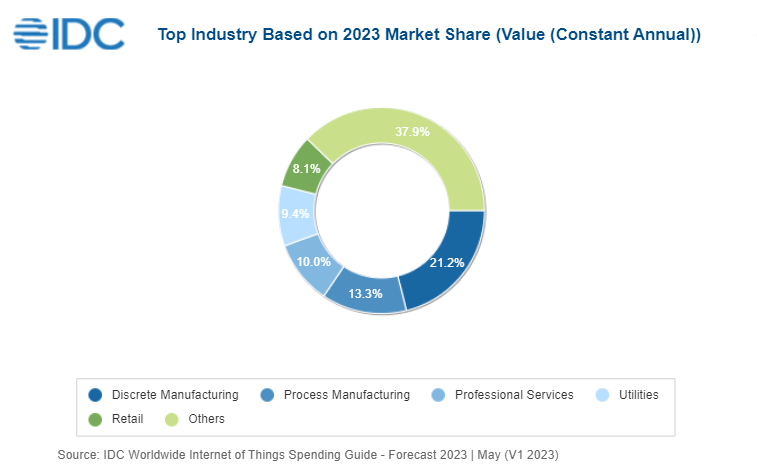
This week’s podcast tackles Kevin’s real-world experience with the Google Pixel tablet and speaker dock. He liked the tablet, but as a smart home accessory it’s lacking, which is what we had originally anticipated. But it’s still a bummer, because I want a good Google Home display option as Google deprecates third-party Google Home display devices. Then we talk about a couple smart energy products including Dracula Technologies’ new energy harvesting technology that can “suck” even more power from sunlight, Savant’s new energy storage device for homes, and a smart plug from EcoFlow that connects to Kevin’s existing rechargeable battery. The industrial internet of things gets a mention thanks to IDC putting out a new report estimating that total spending on IIoT will be $1 trillion in 2026. Get on it. We then get a bit random, discussing smart water filtration stations, and what Broadcom’s new Wi-Fi 7 chips means for Wi-Fi and for smartphones, before hitting a Thread-enabled dev kit using an ESP32 and Philips Hue bulbs getting a feature tweak. We close the news segment by answering a listener question about connecting Zigbee bulbs between IKEA’s and Home Assistant’s platforms.

Image courtesy of IDC.

This week’s guest is Ran Roth, CEO and co-founder of Sensibo, a maker of smart HVAC controllers. The add-on devices connect to window units, mini splits and other A/C and heating units that use IR controllers. We talk about smart energy and the road the company has taken since its founding in 2014. But most of our conversation focuses on how Sensibo is using ChatGPT to improve the user experience with its devices. Roth also hints at other potential use cases for ChatGPT that are less intuitive, and explains how he thinks the availability of large language models will help companies that have access to them use their data more easily. He likens it to the shift that Amazon’s cloud computing had on innovation after AWS launched cloud computing (EC2) in 2006. He then talks about what he’s learned so far and the concerns people have around AI and privacy. It’s a good show.

Hosts: Stacey Higginbotham and Kevin Tofel
Guest: Ran Roth, CEO and co-founder of Sensibo
Sponsors: Blynk and Particle

  • As expected, Google’s Pixel tablet isn’t a major improvement for the smart home
  • Better energy harvesting from Dracula sucks more power from light
  • Broadcom’s chips could lead to smartphones with Zigbee or Thread
  • How Sensibo is using ChatGPT to parse a lot of data
  • What Sensibo has learned about using generative AI


The post Episode 428: How to add ChatGPT to the smart home appeared first on IoT Podcast - Internet of Things.
Thursday, June 15, 2023

IoT Podcast Episode 427: What it takes to put LTE on the moon

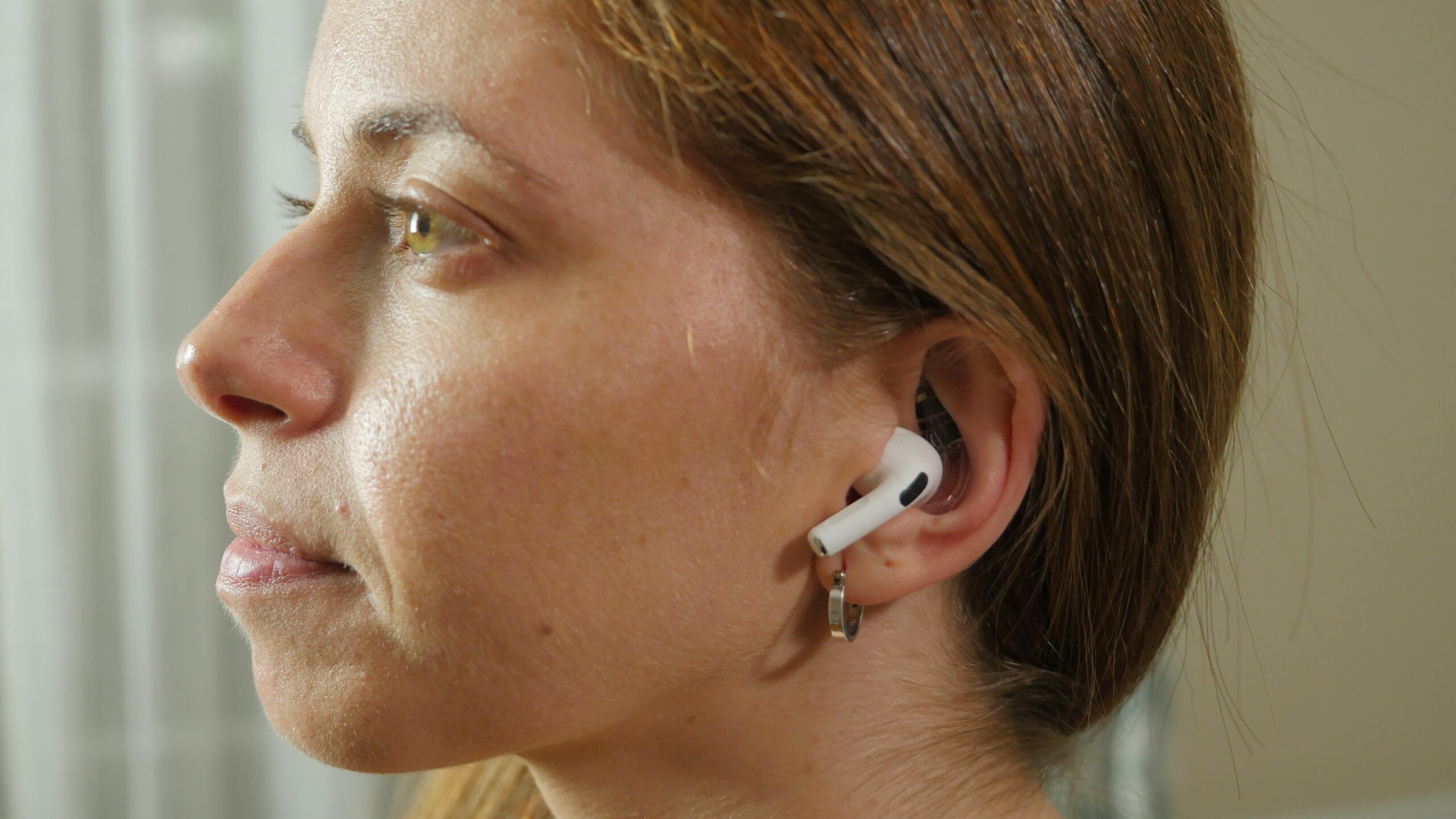
We start this week’s show with a review of DeviceScript, a limited subset of the TypeScript programming language, built by Microsoft to bring a more modern programming option to connected device programing. Kevin downloaded the code and tried it out on a simulated device and shares his thoughts. Also in programming news, Google released a script language for programming complex automations in the Google Home. Even I can use it. We also look at a new product offering from Vivint, which is selling connected light bulbs as part of a smart lighting service that will cost users $5 a month. Then we go to a dark place, discussing two reports from Wired about a loss of privacy today. The first concerns the FBI and other government agencies paying data brokers for phone location data and credit card information to get around needing a warrant, and the second is about the use of a connected systems with sensors and wearables to monitor prisoners. The prison system even tracks the inmates heartbeats! Before we leave, we talk about an innovation in an in-ear wearable from STAT Health Informatics that can predict fainting, a video keypad for your garage door, and Arm’s attempts to get Intel to help invest in its initial public offering. Finally, we answer a listener question about finding a smart lock for an exterior gate.

The STAT wearable in someone’s ear above a set of AirPods. Image courtesy of STAT Health Informatics.

Our guest this week is Thierry Klein, president, Bell Labs solutions research, at Nokia Bell Labs, who is on the show to talk about building an LTE network on the moon. We talk about why Nokia is building a network on the moon and what we can learn from it for the IoT. Klein also explains the challenges of the moon environment, such as temperature, vibrations (rocket launches are tough on delicate electronics), and radiation. Plus, with no one around to configure the network or reboot it if there are problems, Nokia has had to figure out ways to automatically configure and operate the equipment. All of this will help when bringing connectivity to remote areas such as mines or oil rigs. It’s a really fun show.

Hosts: Stacey Higginbotham and Kevin Tofel
Guest: Thierry Klein, at Nokia Bell Labs
Sponsors: Blynk and Particle

  • Check out DeviceScript if you want a modern IoT programming language
  • Now, there’s even less privacy in prisons thanks to the IoT
  • This in-ear device detects fainting before it happens
  • Why build and LTE network on the moon
  • What can IoT learn from lunar LTE?

The post Episode 427: What it takes to put LTE on the moon appeared first on IoT Podcast - Internet of Things.
IoT Podcast Episode 437: Goodbye and good luck

This is the final episode of The Internet of Things Podcast, and to send us off after eight years, we don’t discuss the big news of the day ...